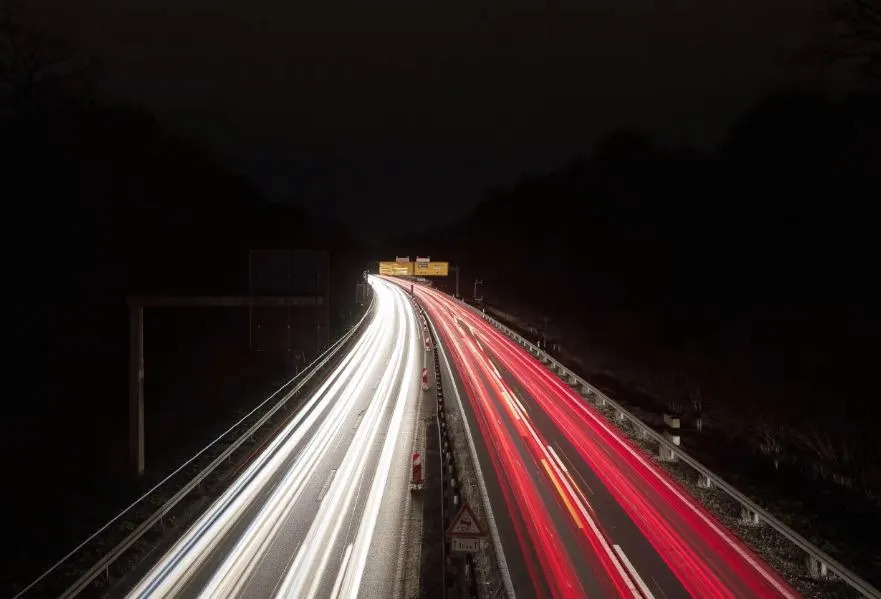
Long Exposure Photography: A Practice in Patience
-
 Loading...
 - felix erin
- 19 Jul 2022
- 101 Views
- 0 Like
- 0 Comment
There are so many creative ways to capture the world on camera. And long exposure photography, which slows down the shutter speed to highlight key elements of a photo, is one of the most impressive.
Long exposure photographs tend to look manipulated, since they showcase a scene in a way that wouldn’t be visible at a single glance. But it’s skilled camera work, not Photoshop, that’s responsible for those amazing details.
The good news: you don’t have to be a professional photographer in order to put long exposure to work in your images. Keep reading to explore the basics of long exposure photography, including how to do it and some quick tips for taking exceptional long exposure shots.

What Is Long Exposure Photography?
Also known as slow-shutter photography or time-exposure photography, long exposure photography is a technique that allows photographers to condense an extended period of time into one photo. By slowing down the shutter speed, the camera captures both stationary and moving elements, combining both into a single frame. The result is an image that tells a more complete story—and that captures a lot more detail than you could get in a standard shot.
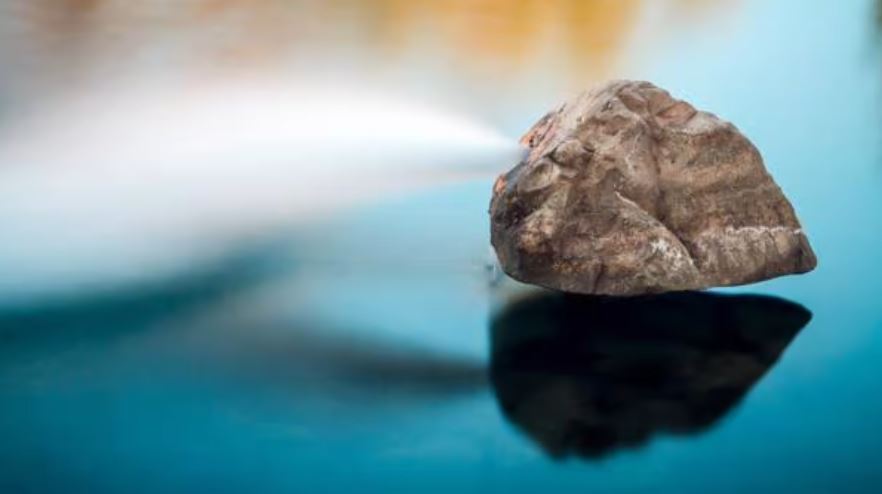
The long exposure technique is used in photography for a couple of reasons. One reason is that it smooths out elements that might otherwise appear blurred or undefined, such as clouds, traffic, or waves. It also softens the overall look of the shot, providing an image that is a lot more ethereal than what you might get if you used a standard speed. It is a popular choice for landscape and nature photography, as well as for astrophotography and other nighttime shots.
A photo is considered long exposure if it is shot at a shutter speed of 1/60 or lower, and images can take anywhere from a few seconds to several hours to shoot. As you start to experiment with long exposure, play around with different shutter speeds and time lapses to see what sorts of unique effects you can achieve.

Must-Have Long Exposure Photography Equipment
You don’t need a ton of equipment for long exposure photography, but you do need a few essentials.
Manual Camera
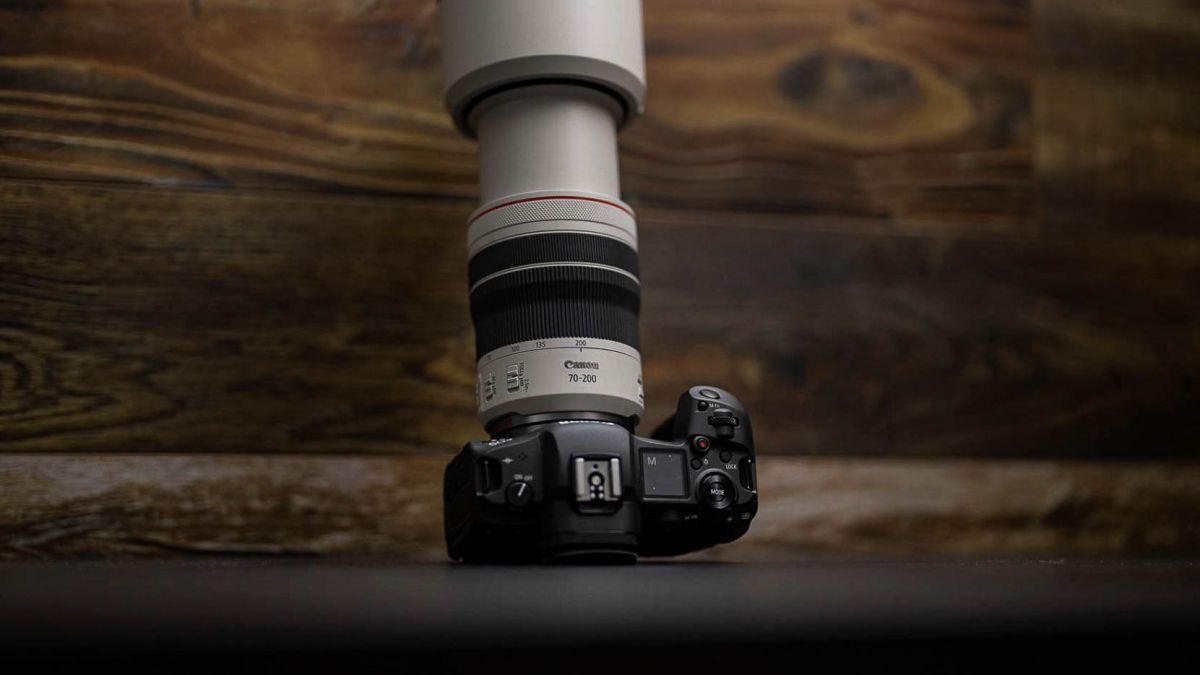
The most important piece of equipment for long exposure photography is a manual camera. Unlike an automatic camera, a manual camera gives you complete control over the shutter speed and aperture value, which is a must for taking long exposure shots.
Don’t want to go out and buy a new camera? Most smartphones offer at least some degree of manual control in their basic camera settings. There are also apps you can download that give you a higher degree of control.
Neutral Density Filters
For the best results with your long exposure photography, you’ll want to use neutral density filters (ND filters) on your camera—especially if you’re shooting in the daytime. These reduce the amount of light that reaches your lens and enhance the impact you get from an extended exposure. ND filters can also help blur motion in the frame.
Tripod
You technically could shoot long exposure without a tripod, but you probably don’t want to. A tripod keeps your camera completely steady during the entire duration of the shot, which, depending on what you’re trying to capture, could be many minutes long. Without it, you risk moving your camera and ruining your chances of getting a sharp image.

Long Exposure Photography Settings
The settings that you choose for your long photography shots depend on the image you want to create. For example, you’ll use different settings for night long exposure photography than you will for day, and you’ll also adjust your settings based on your depth of field and the speed of the moving object in the frame.
A few hints: always make sure that you’re shooting in manual (or bulb) mode and shoot in RAW to get the most contrast in color range and depth. From there, turn off image stabilization (IS) so that your lens doesn’t try to automatically compensate for movement in the frame. Then, it’s just a matter of optimizing your shutter speed and aperture for the photo. Do some research to learn about specific recommendations, since certain types of long exposures like panorama or star trail shots require specific shutter speed and aperture designations. Read More…