Microbes discovered that can digest plastics at low temperatures
-
 Loading...
 - Jenab Chan
- 16 May 2023
- 71 Views
- 0 Like
- 0 Comment
Plastics are synthetic materials that are notorious for their resistance to natural decomposition processes. However, recent research efforts have led to the discovery of a class of microbes capable of breaking down plastics, even in cold temperatures. These remarkable organisms belong to a group of bacteria and fungi that have evolved the ability to produce enzymes capable of degrading various types of plastics.
How do these microbes function?
The plastic-degrading abilities of these microbes are mainly attributed to their production of specific enzymes known as plasticases. These enzymes have the unique capability to break down the complex molecular structure of plastics into simpler compounds that can be metabolized by the microbes. This process, known as biodegradation, allows the microbes to utilize the plastic as a source of energy and carbon for their growth and survival.
What types of plastics can they digest?
The microbes discovered so far have shown the ability to digest a wide range of plastics, including polyethylene terephthalate (PET), polystyrene (PS), polyethylene (PE), and polypropylene (PP). These plastics are commonly used in various industries and contribute significantly to global plastic waste.
Are these microbes effective at low temperatures?
One of the most remarkable aspects of these plastic-digesting microbes is their ability to operate at low temperatures. Traditional methods of plastic degradation often require high temperatures, making them energy-intensive and environmentally unsustainable. However, these newly discovered microbes can efficiently break down plastics even in colder environments, making their potential applications more versatile and accessible.
What are the environmental implications?
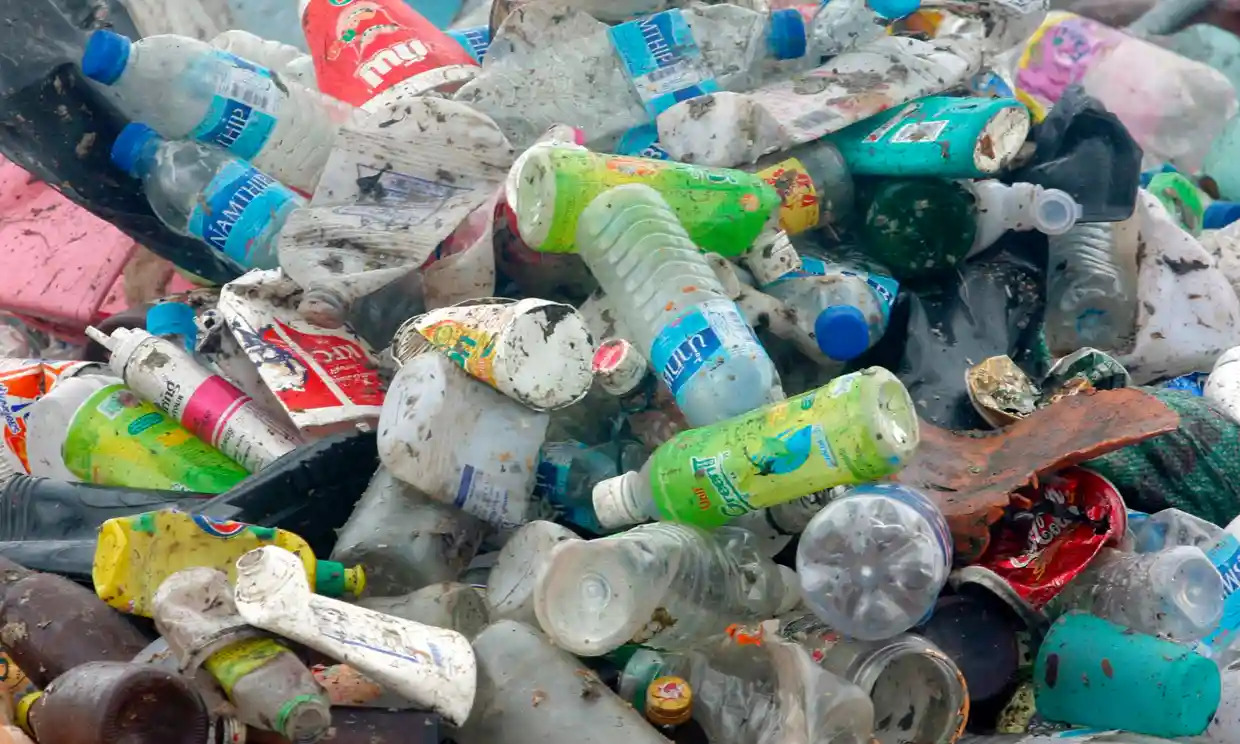
The discovery of microbes that can digest plastics at low temperatures holds immense environmental implications. Plastic waste, particularly in marine ecosystems, poses a significant threat to biodiversity and ecological balance. By harnessing the plastic-degrading abilities of these microbes, it may be possible to develop innovative bioremediation strategies to mitigate plastic pollution and restore the health of affected ecosystems.
Could these microbes be used in waste management?
The potential applications of these plastic-degrading microbes in waste management are promising. By utilizing the natural abilities of these microbes, it may be possible to develop more sustainable and efficient methods for recycling and disposing of plastic waste. Additionally, these microbes could be employed in bioremediation processes, where they actively break down plastic pollutants in contaminated sites.
Frequently Asked Questions (FAQs)
Q: How were these microbes discovered?
A: These microbes were discovered through a combination of environmental sampling, microbial culturing, and genomic analysis. Researchers collected samples from diverse environments known for their plastic pollution, such as landfills, wastewater treatment plants, and marine habitats. By isolating and studying the microorganisms present in these samples, scientists were able to identify and characterize the plastic-digesting microbes.
Q: Are these microbes safe for the environment?
A: While the plastic-degrading abilities of these microbes offer promising solutions, their potential impact on the environment must be thoroughly evaluated. Before any large-scale implementation, extensive studies must be conducted to ensure that the introduction of these microbes does not have unintended consequences on ecosystems or human health.
Q: Can these microbes completely eliminate plastic waste?
A: While the plastic-degrading abilities of these microbes are impressive, it is unlikely that they alone can completely eliminate plastic waste. The scale of plastic pollution is vast, and addressing it requires a multi-faceted approach that includes reducing plastic consumption, improving recycling technologies, and promoting sustainable alternatives to plastic.
Q: Can these microbes be used in ocean cleanup efforts?
A: The potential use of these plastic-digesting microbes in ocean cleanup efforts is an area of active research. However, the implementation of such strategies would require careful consideration of the potential ecological impacts and the scalability of the process. More research is needed to determine the feasibility and effectiveness of using these microbes in large-scale ocean cleanup initiatives.
Q: Can these microbes be genetically modified to enhance their plastic-degrading abilities?
A: Genetic modification is a powerful tool that has been successfully employed in various fields of research. While it may be possible to genetically modify these microbes to enhance their plastic-degrading abilities, ethical and safety considerations must be carefully addressed before pursuing such approaches.
Q: What does the future hold for these plastic-digesting microbes?
A: The discovery of microbes that can digest plastics at low temperatures opens up exciting possibilities for addressing the plastic waste crisis. Further research and development are needed to optimize the performance of these microbes, explore their potential applications, and assess their long-term effects. The future may see the integration of these plastic-munching microbes into waste management systems and environmental restoration efforts.
The discovery of microbes that can digest plastics at low temperatures offers a glimmer of hope in the battle against plastic pollution. These remarkable organisms possess the unique ability to break down plastics into simpler compounds, even in cold environments, providing a potential solution to the persistent problem of plastic waste. While challenges remain in terms of scalability, safety, and environmental impact, the plastic-degrading abilities of these microbes hold promise for revolutionizing waste management and restoring the health of our planet. With further research and development, these tiny plastic munchers may play a significant role in mitigating the plastic waste crisis and preserving the beauty and integrity of our ecosystems.