What is Genome Sequencing: Unlocking the Secrets of Life
-
 Loading...
 - Jonathan Kapinga
- 16 May 2023
- 83 Views
- 0 Like
- 0 Comment
In the realm of modern biology, genome sequencing plays a pivotal role in unraveling the intricate blueprint of life itself. Through this groundbreaking technique, scientists can decipher the complete set of genetic instructions encoded within an organism's DNA. By understanding the intricacies of the genetic code, we gain profound insights into the fundamental mechanisms of life, enabling advancements in various fields such as medicine, agriculture, and evolutionary biology. This article aims to demystify the concept of genome sequencing, exploring its significance, methodologies, applications, and potential future implications.
What is Genome Sequencing?
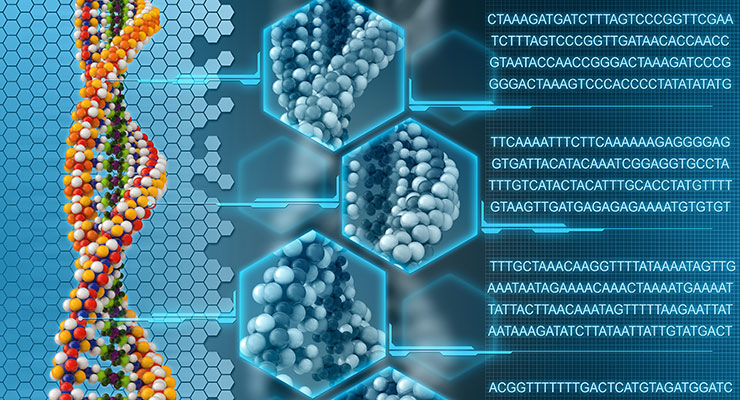
Genome sequencing refers to the process of determining the precise order of nucleotides (adenine, guanine, cytosine, and thymine) within an organism's DNA molecules. Essentially, it involves mapping out the entire genetic content of an individual, providing a comprehensive understanding of their genetic makeup. The genome of an organism serves as a vast instruction manual, dictating the formation, function, and behavior of every cell within its body. By unlocking the secrets held within the genome, scientists can unravel the mysteries of life's intricacies.
The Significance of Genome Sequencing
The advent of genome sequencing has revolutionized the field of biology, paving the way for unprecedented advancements and discoveries. Here are some key reasons why genome sequencing holds immense significance:
1. Unraveling Genetic Diseases
Genome sequencing plays a crucial role in identifying genetic mutations and their association with various diseases. By comparing the genomes of healthy individuals with those affected by genetic disorders, scientists can pinpoint the specific genetic variations responsible for disease development. This knowledge helps in developing targeted therapies, genetic counseling, and preventive measures.
2. Precision Medicine
Genome sequencing enables personalized medicine by tailoring treatments to an individual's genetic makeup. By analyzing an individual's genome, doctors can predict drug response, identify potential side effects, and determine the most effective treatment options. This approach holds great promise in improving patient outcomes and minimizing adverse reactions to medication.
3. Studying Evolutionary History
Genome sequencing allows scientists to trace the evolutionary history of species by comparing genomes across different organisms. By examining genetic similarities and differences, researchers can reconstruct evolutionary relationships and gain insights into the mechanisms that drive evolution. This knowledge aids in understanding biodiversity, adaptation, and the origins of life.
4. Agricultural Advancements
Genome sequencing has immense implications in agriculture. By sequencing the genomes of crops and livestock, scientists can identify genetic variations associated with desirable traits such as disease resistance, yield, and nutritional value. This knowledge facilitates the development of genetically enhanced crops and livestock, leading to improved food production and sustainability.
5. Forensic Applications
In the realm of forensic science, genome sequencing has revolutionized the field of DNA profiling. By comparing genetic profiles obtained from crime scenes with reference databases, investigators can identify suspects and establish relationships between individuals. This technology has been instrumental in solving cold cases and ensuring justice.
How is Genome Sequencing Performed?
Genome sequencing is a complex process that involves several steps and methodologies. Here, we outline the general workflow of genome sequencing:
1. Sample Collection
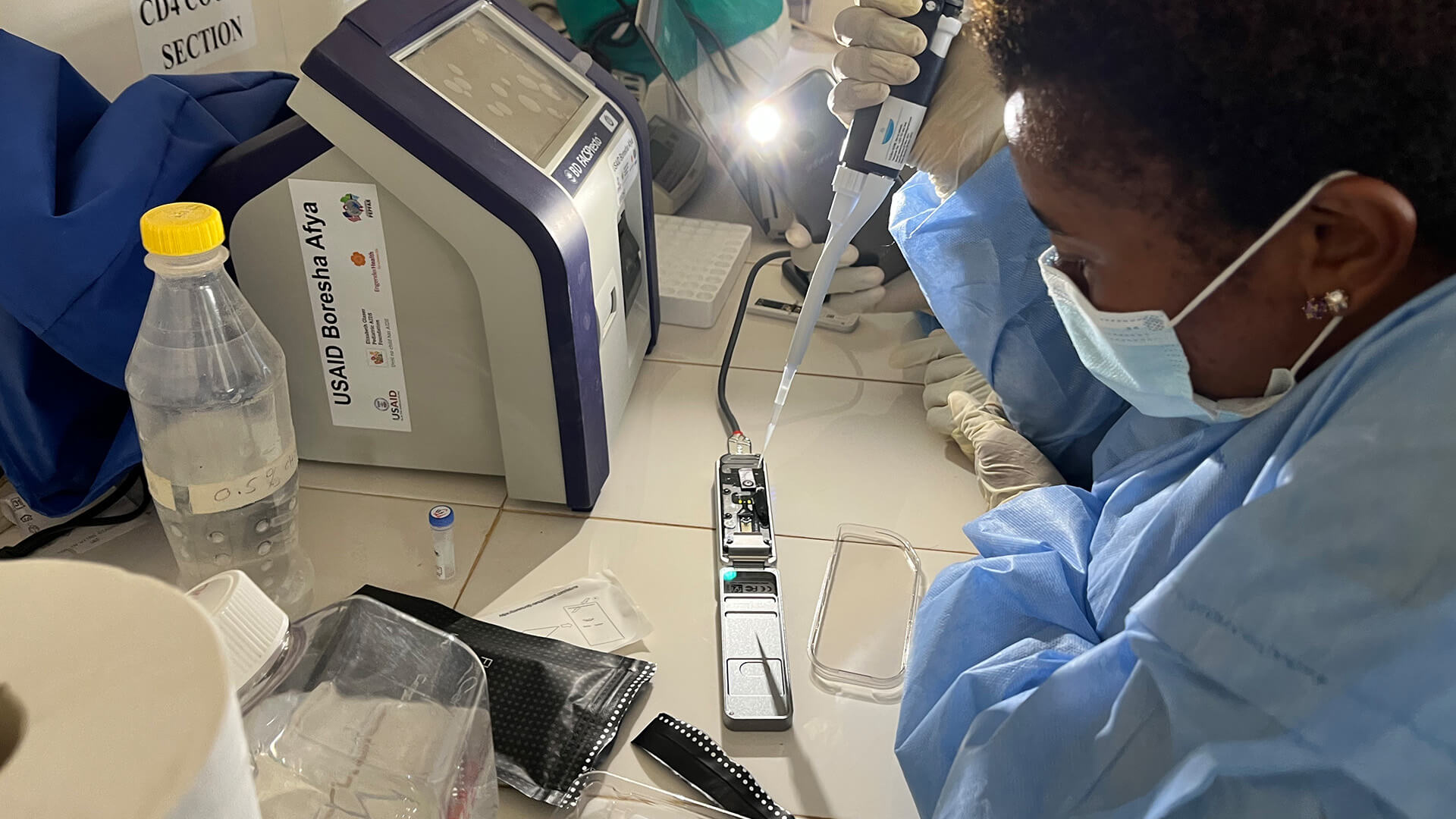
The first step in genome sequencing involves obtaining a sample of DNA from the organism of interest. This can be done by collecting blood, tissue, saliva, or other bodily fluids. The sample is carefully preserved to prevent degradation and ensure the integrity of the genetic material.
2. DNA Extraction
In this step, the DNA is extracted from the collected sample. Various techniques are employed to isolate the DNA molecules from other cellular components. The extracted DNA is purified and prepared for sequencing.
3. Library Preparation
To facilitate the sequencing process, the DNA sample is fragmented into smaller, manageable pieces. These fragments are then attached to adapters, which contain unique identifiers. This step is crucial for distinguishing the individual fragments during the sequencing process.
4. Sequencing
The prepared DNA fragments are subjected to high-throughput sequencing technologies, such as next-generation sequencing (NGS) or third-generation sequencing (TGS). These techniques allow for the simultaneous sequencing of millions of DNA fragments. The sequencing machines decode the order of nucleotides in each fragment, generating vast amounts of raw sequencing data.
5. Data Analysis
The generated sequencing data is processed and analyzed using specialized bioinformatics tools and software. This involves aligning the sequencing reads to a reference genome or assembling the reads into a complete genome. The analysis also includes identifying genetic variations, such as single nucleotide polymorphisms (SNPs) or structural variations.
6. Genome Assembly
In cases where a reference genome is not available, the sequencing reads are assembled de novo. This process involves piecing together the fragments based on overlapping regions, creating a complete representation of the genome. Genome assembly is a complex computational task that requires advanced algorithms and computing power.
7. Annotation and Interpretation
Once the genome is assembled, the next step is to annotate and interpret the genomic features. This involves identifying genes, regulatory elements, and other functional elements within the genome. Comparative genomics, functional genomics, and other approaches are employed to understand the biological significance of the identified features.
FAQs
What is the cost of genome sequencing?
The cost of genome sequencing has significantly reduced over the years. It currently ranges from a few hundred to a few thousand dollars, depending on the sequencing technology and the depth of sequencing required.
Can genome sequencing predict future diseases?
Genome sequencing can identify genetic variations associated with an increased risk of certain diseases. However, it is important to note that genetic predisposition does not guarantee the development of a disease. Environmental and lifestyle factors also play a significant role.
Is genome sequencing only applicable to humans?
Genome sequencing is not limited to humans. It can be applied to any organism with DNA, including animals, plants, bacteria, and viruses.
How long does it take to sequence a genome?
The time required to sequence a genome depends on the technology used, the size and complexity of the genome, and the desired depth of sequencing. It can range from a few hours to several weeks.
Can genome sequencing be used for paternity testing?
Yes, genome sequencing can be used for paternity testing. By comparing the genetic profiles of individuals, it is possible to establish biological relationships with a high degree of accuracy.
What are the ethical considerations of genome sequencing?
Genome sequencing raises ethical concerns regarding privacy, informed consent, and potential discrimination based on genetic information. Strict protocols and guidelines are in place to address these issues and ensure responsible use of genomic data.
In conclusion, Genome sequencing has revolutionized our understanding of life, unlocking the secrets encoded within the genetic material of organisms. From diagnosing genetic diseases to advancing precision medicine and unraveling evolutionary histories, genome sequencing has vast implications across various disciplines. With continued advancements in sequencing technologies and bioinformatics, the future holds even greater potential for genome sequencing to drive groundbreaking discoveries and applications. As we delve deeper into the intricate world of genomics, we uncover the remarkable complexity and beauty of life's blueprint.