New Evidence Reveals That Megalodons Were Even More Terrifying and Powerful Than Scientists Thought
-
 Loading...
 - Joao Sousa
- 19 Jul 2022
- 99 Views
- 0 Like
- 0 Comment
Megatooth sharks, the largest sharks that have ever existed, were also the greatest apex predators ever measured, according to a new Princeton study
According to a new study, ancient megatooth sharks – the largest sharks ever known — were apex predators at the greatest level ever recorded.

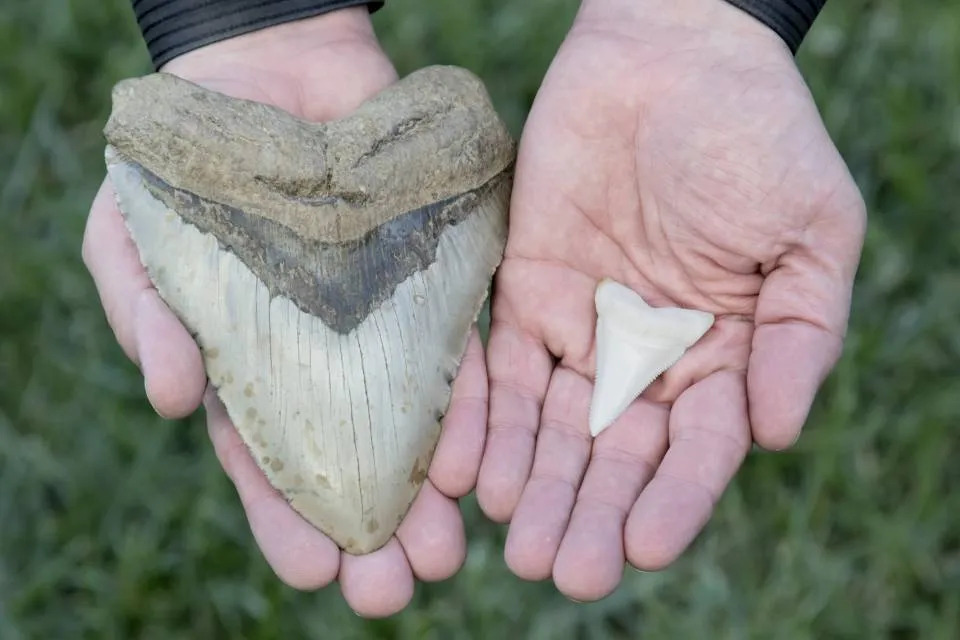
Megatooth sharks are named for their enormous teeth, some of which can be as large as a human hand. The group comprises numerous closely related species as well as Megalodon, the biggest shark to have ever lived.
While sharks of various types have lived for more than 400 million years, long before the dinosaurs went extinct, these megatooth sharks emerged after the dinosaurs died out and controlled the waters until about 3 million years ago.
“We’re used to thinking of the largest species — blue whales, whale sharks, even elephants, and diplodocuses — as filter feeders or herbivores, not predators,” said Emma Kast, a 2019 Ph.D. graduate in geosciences who is the first author of a new study recently published in the journal Science Advances. “But Megalodon and the other megatooth sharks were genuinely enormous carnivores that ate other predators, and Meg went extinct only a few million years ago.”
Megalodon and some of its predecessors were at the very top of the prehistoric food chain, or what scientists refer to as the greatest “trophic level,” according to new evidence from a team of Princeton researchers. The researchers claim that because of their high trophic signature, they must have consumed other predators and predators of predators in a complex food web.
“Ocean food webs do tend to be longer than the grass-deer-wolf food chain of land animals because you start with such small organisms,” said Kast, who wrote the first iteration of this research as a chapter in her dissertation. “To reach the trophic levels we’re measuring in these megatooth sharks, we don’t just need to add one trophic level — one apex predator on top of the marine food chain — we need to add several onto the top of the modern marine food web.”
Megalodon has been conservatively estimated at 15 meters long — 50 feet — while modern great white sharks typically top out around five meters (15 feet).
By measuring the nitrogen isotopes in the sharks’ teeth, Kast, Sigman, and their colleagues were able to draw conclusions about the ancient marine food web. Ecologists have long known that an organism’s trophic level increases with the amount of nitrogen-15 it contains, but researchers have never been able to detect the minute quantities of nitrogen that have been stored in the enamel layer of these prehistoric predators’ teeth.
“We have a series of shark teeth from different time periods, and we were able to trace their trophic level versus their size,” said Zixuan (Crystal) Rao, a graduate student in Sigman’s research group and a co-author of the current paper.
One way to tuck in an extra trophic level or two is cannibalism and several lines of evidence point to that in both megatooth sharks and other prehistoric marine predators.
The nitrogen time machine
Without a time machine, there’s no easy way to recreate the food webs of extinct creatures; very few bones have survived with teeth marks that say, “I was chewed on by a massive shark.”

Fortunately, Sigman and his colleagues have spent decades creating alternative techniques based on the understanding that a creature’s cell levels of nitrogen isotopes indicate whether it is at the top, middle, or bottom of a food chain.
“The whole direction of my research team is to look for chemically fresh, but physically protected, organic matter — including nitrogen — in organisms from the distant geologic past,” said Sigman.
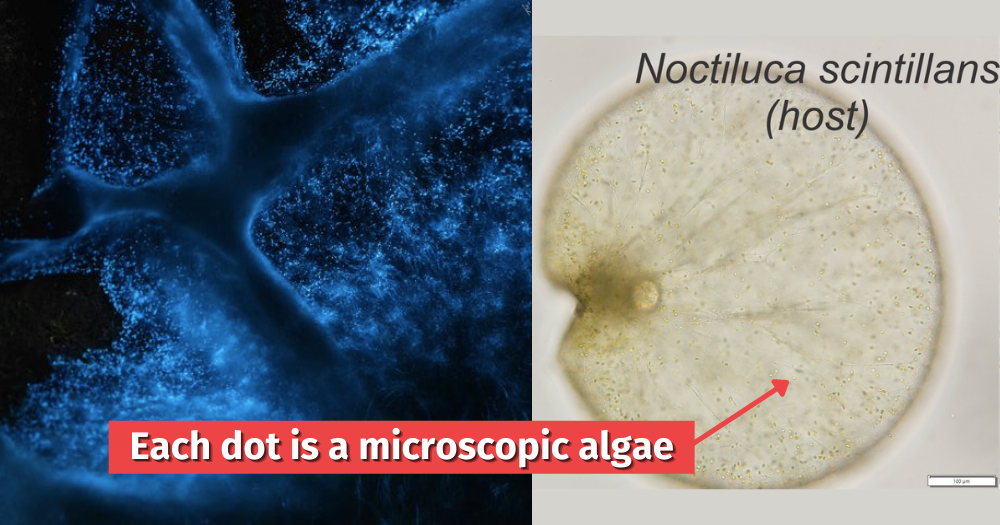
A few plants, algae, and other species at the bottom of the food web have mastered the knack of turning nitrogen from the air or water into nitrogen in their tissues. Organisms that eat them then incorporate that nitrogen into their bodies, and critically, they preferentially excrete (sometimes via urine) more of nitrogen’s lighter isotope, N-14, than its heavier cousin, N-15.
In other words, N-15 builds up, relative to N-14, as you climb up the food chain.
Other researchers have used this approach on creatures from the recent past — the most recent 10-15 thousand years — but there hasn’t been enough nitrogen left in older animals to measure, until now.
Why? Soft tissue like muscles and skin are hardly ever preserved. To complicate matters, sharks don’t have bones — their skeletons are made of cartilage. Read More...