Read Your Way Through Lisbon
-
 Loading...
 - dexter florence
- 07 Jul 2022
- 114 Views
- 0 Like
- 0 Comment
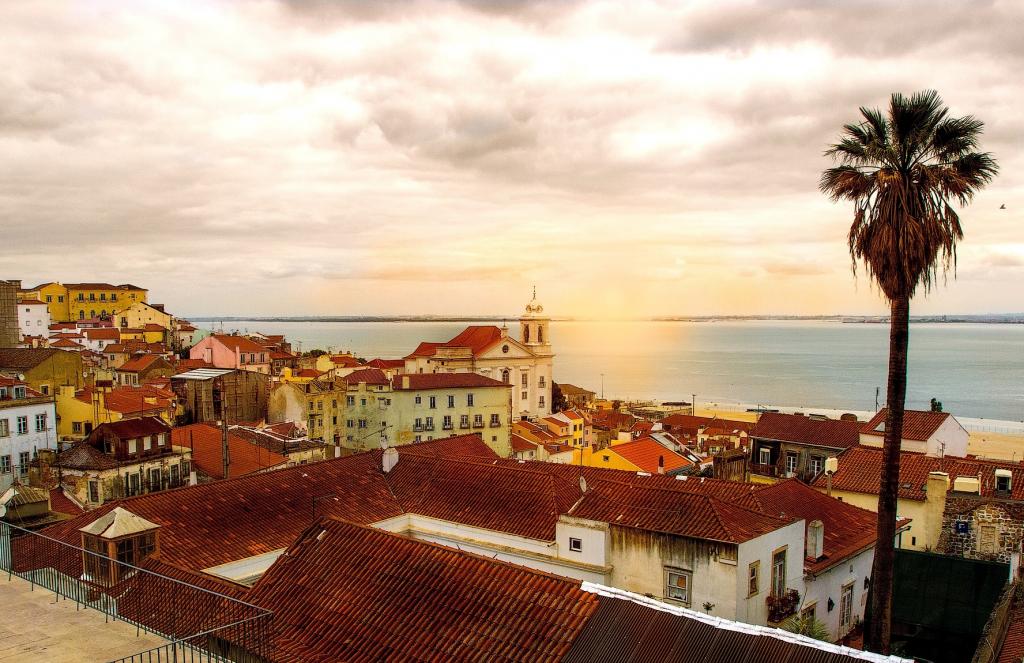
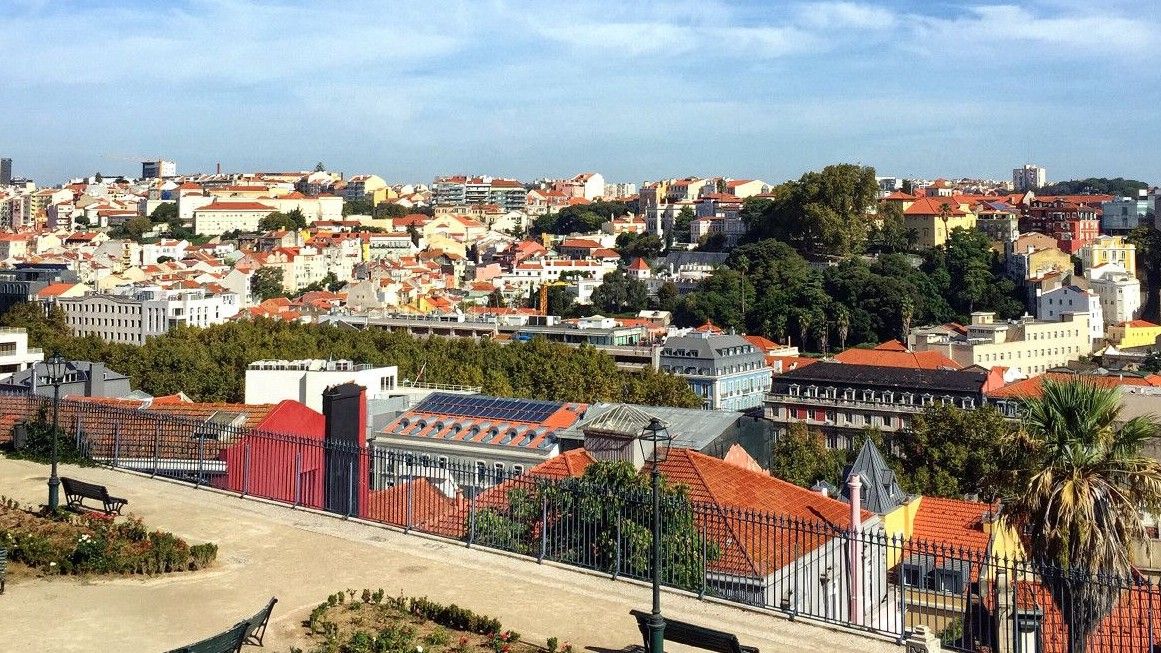
Lisbon has long been marked by a certain wistfulness. Perched at the westernmost edge of Europe, it has been a place of departures as much as of arrivals, its cobblestone streets perpetually echoing with the voices of those who have passed through. That is the city captured in “Lisboa, Cidade Triste e Alegre,” a symphonic graphic poem first published in 1959 by Victor Palla and Costa Martins, whose grainy black-and-white images caught the essence of a place longing for change.
But for those who come with that vision, the city today will surprise with its diversity and color. While life in Lisbon may still be threaded with melancholy — exorbitant rents in the city center have forced many historic bookstores and centennial shops to close, and many longtime residents to move farther away — its streets are rich with literary tradition and vibrant with the contributions of new arrivals.
You can stroll in the city’s downtown and visit cafes, such as Martinho da Arcada, inaugurated in 1782, or A Brasileira, which opened in 1905 and where some of the country’s most renowned writers, including Fernando Pessoa, once met. Or you can take the rail line at Terminal do Rossio to Sintra, which was a source of inspiration for José Maria de Eça de Queiroz, one of Portugal’s great 19th-century novelists. But if you get off at the Amadora station and enter the Babilónia shopping center, you will find a lively mall that serves as a meeting point for the numerous migrant communities that make the city what it is today.
What should I read before I pack my bags?
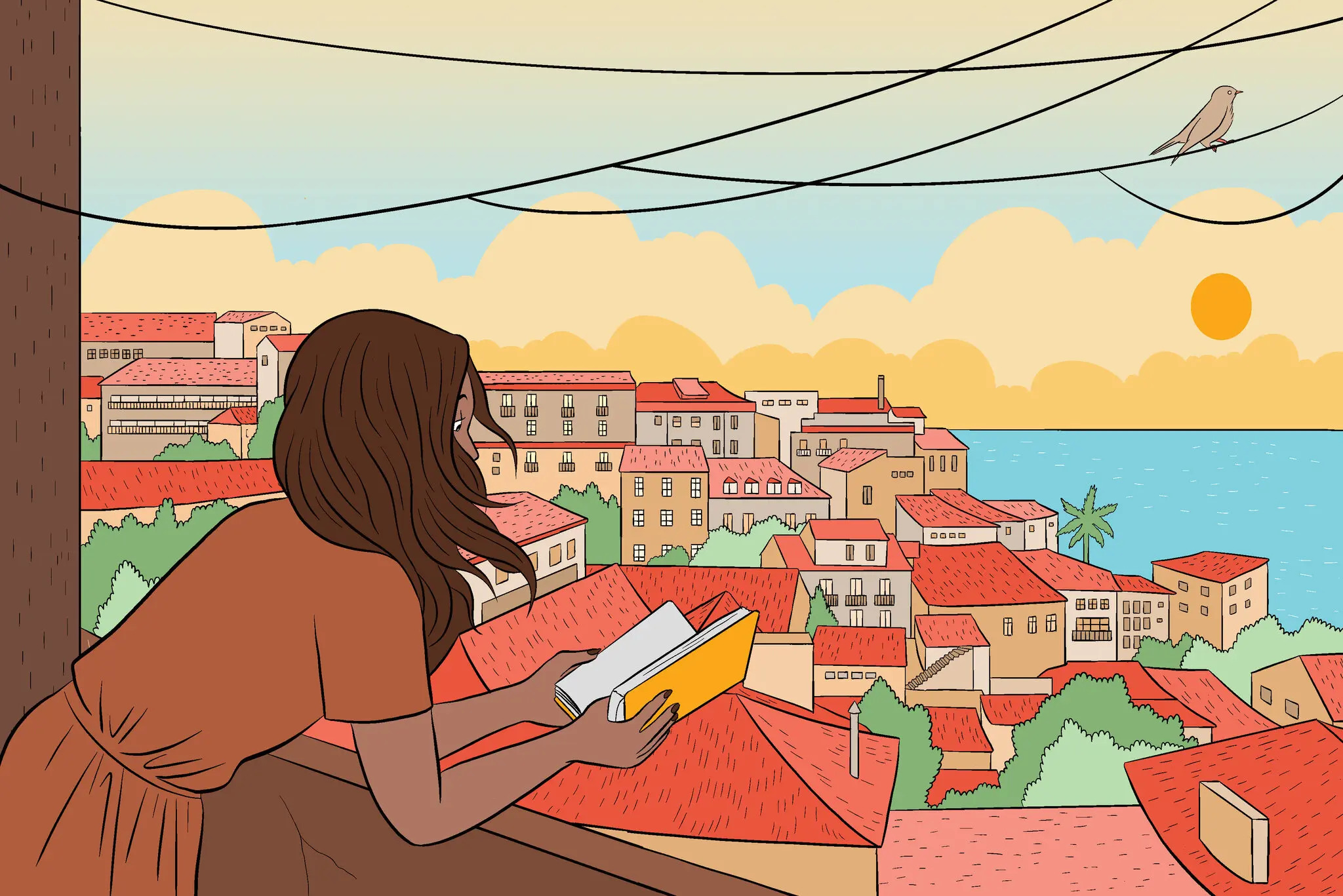
Some of the city’s melancholic atmosphere is present in Pessoa’s “The Book of Disquiet.” It is written in the voice of Bernardo Soares, one of the alternate selves of Pessoa, who wrote under dozens of identities he referred to as heteronyms. The literary critic George Steiner wrote that the book “gives to Lisbon the haunting spell of Joyce’s Dublin or Kafka’s Prague.”
In José Saramago’s “The Year of the Death of Ricardo Reis,” you will find Ricardo Reis, another of Pessoa’s fictional authors, back in Lisbon in late December 1935. He is there to visit Pessoa, his creator, at the cemetery — Pessoa had died in late November — at a time when Portugal is under fascist rule.
“In 1936, I was 14 years old, but I remember the sadness of the city,” Saramago once said about what inspired this novel. “Perhaps today’s readers will find some other manifestations of sadness and loneliness in the city today.”
Many of the greatest works of Portuguese literature — and much of the most exciting writing happening today — are not yet available in English translations.
But you will find good translations of the poetry of Cesário Verde, Alexandre O’Neill, Mário Cesariny, Ruy Belo and Sophia de Mello Breyner Andresen online at Poetry International and Poems From the Portuguese, an online platform run by Centro Nacional de Cultura, a local cultural institution. In some of their poems, you will find the streets you will walk on, from Cais das Colunas to Avenida da Liberdade.
The Common, a literary magazine available online, recently offered in their 20th issue a special portfolio of writing from Portugal and its colonial and linguistic diaspora, with works in English and in translation exploring Lisbon, Angola, Brazil, Cape Verde and Mozambique from writers such as Rui Cardoso Martins, Matilde Campilho, Joaquim Arena and Teolinda Gersão.
Susana Moreira Marques’s masterpiece “Now and at the Hour of Our Death,” a work of reportage about life and death set in a village in northern Portugal, is an example of the best contemporary Portuguese writing available in translation. As for poetry, “Cape Verdean Blues,” by Shauna Barbosa, will give you a sense of the multifaceted character of Cape Verdean culture in the diaspora. “What’s in a Name,” by the great Ana Luísa Amaral, will incite you to look with wonder into the minutiae of everyday life. Read More…