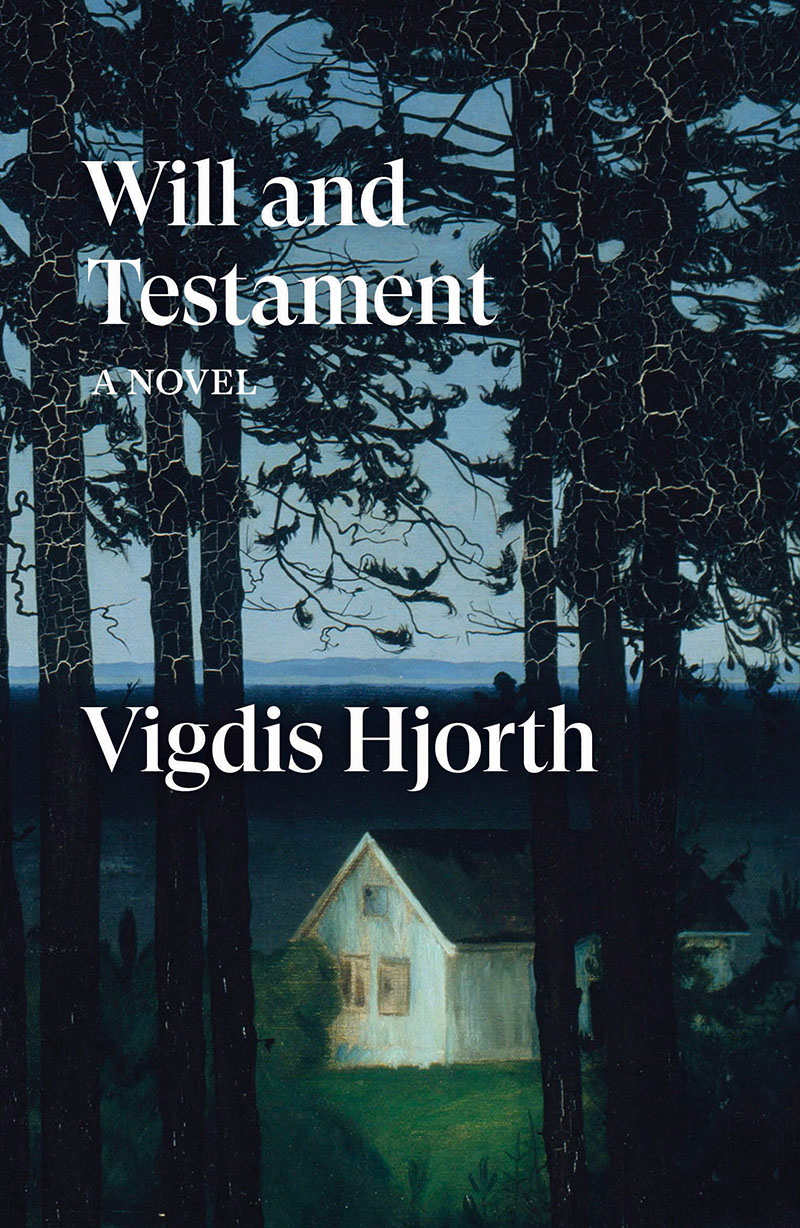
Review of "Will and Testament" by Vigdis Hjorth
-
 Loading...
 - Arturo Ortiz
- 26 Feb 2025
- 32 Views
- 0 Like
- 0 Comment
"Will and Testament" by Vigdis Hjorth is an exploration of family trauma and the enduring impact of childhood suffering. The novel centers around the character Bergljot, who grapples with her painful past, particularly the sexual abuse she endured at the hands of her father. This deeply personal narrative unfolds against the backdrop of a family inheritance dispute over holiday cabins, which serves as a catalyst for revealing deeper familial conflicts.
One of the central themes of the novel is intergenerational trauma. Hjorth skillfully illustrates how the scars of childhood experiences can shape adult relationships, creating destructive patterns that persist through generations. Bergljot's struggle for recognition and validation within her family is palpable, especially as her sisters align themselves with their parents, complicating her quest for justice and understanding.
Hjorth's writing style is notable for its repetitive and insistent prose, which mirrors Bergljot's psychological state and the cyclical nature of trauma. The author employs dark humor and raw honesty, making the painful subject matter more relatable and accessible to readers. This blend of emotional depth and humor adds layers to the narrative, inviting readers to engage with the complexities of familial relationships.
The novel has sparked significant discussion, particularly regarding its autobiographical elements and the ethical implications of drawing from real-life experiences. While Hjorth emphasizes the fictional nature of her work, the controversy surrounding its personal connections has led to public debate about the boundaries of fiction and the responsibilities of authors when depicting sensitive topics.
"Will and Testament" has resonated with readers, becoming a bestseller in Norway and prompting reflections on the complexities of inheritance—both emotional and material. Through Bergljot's journey, Hjorth challenges readers to confront uncomfortable truths about family dynamics and the long-lasting effects of trauma. This compelling and thought-provoking read is a testament to the power of storytelling in addressing difficult realities.