Senegal's President Dissolves Parliament, Calls for Snap Legislative Election
-
 Loading...
 - Seidu Musah
- 17 Sep 2024
- 49 Views
- 0 Like
- 0 Comment
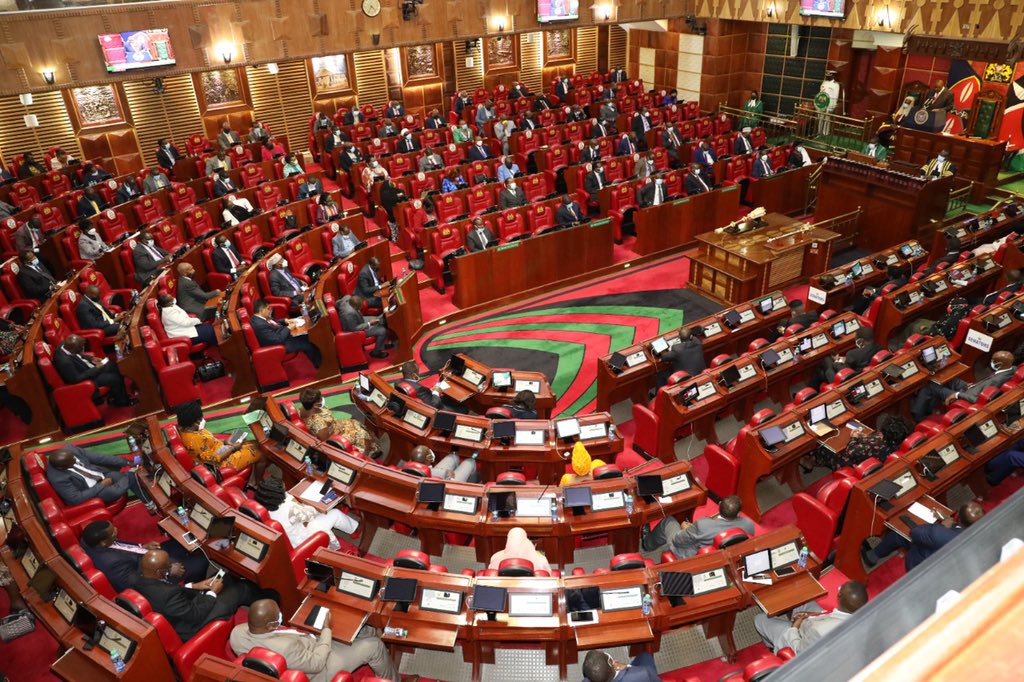
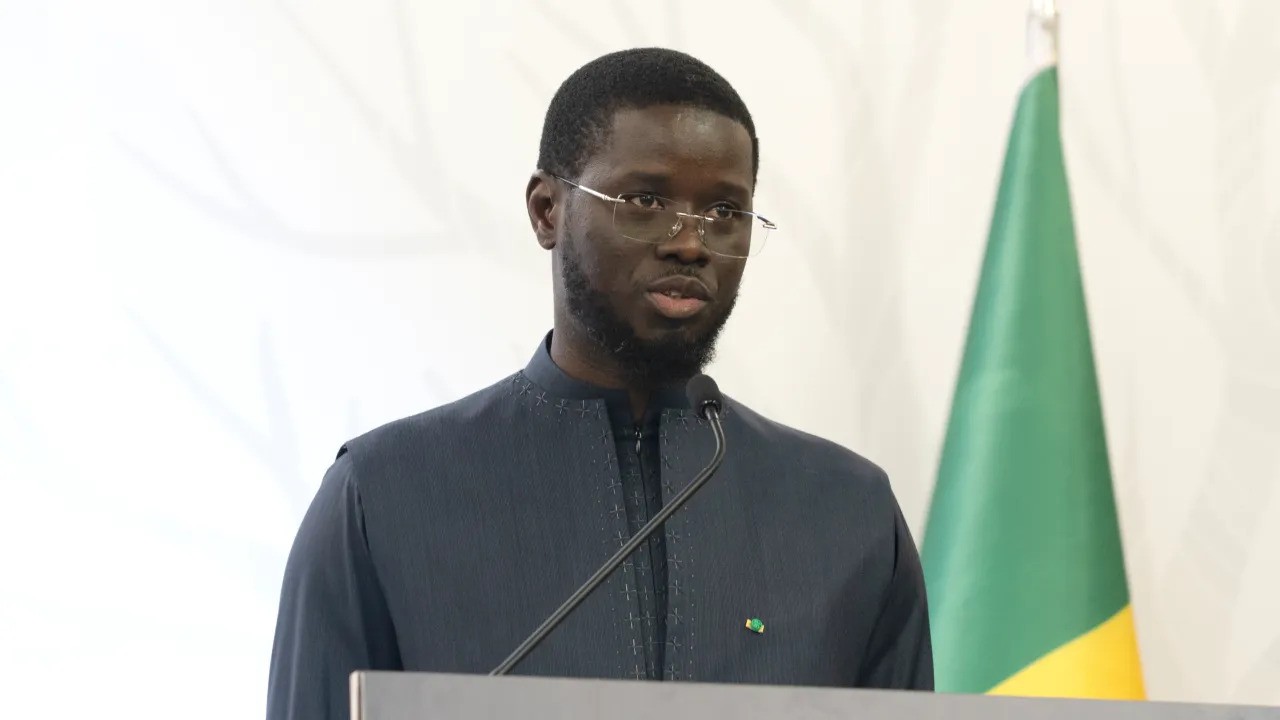
Senegal's President Bassirou Diomaye Faye dissolved the opposition-led parliament on Thursday, paving the way for a snap legislative election on November 17. This decision comes six months after Faye's election as president on an anti-establishment platform, in which he promised widespread reforms to improve the living standards of ordinary Senegalese.
Faye's rise to power reflects the widespread frustration among Senegal's youth with the country's direction. At 44, he is Africa's youngest elected leader, and his election was seen as a rejection of the old guard. However, six months into his presidency, Faye's promises of reform have yet to materialize. He has blamed the parliament, which is led by the opposition coalition Benno Bokk Yaakar, for blocking his efforts to execute the promised reforms.
Faye's decision to dissolve the national assembly has been met with criticism from the opposition, who accuse him of "perjury" and convening a legislative session under false pretenses. The opposition coalition has condemned the move, arguing that it is an attempt to consolidate power and undermine the democratic process.
Faye's decision to dissolve the parliament does not come without risks. The assembly has until the end of December to vote on the budget for next year, but new legislative elections may make it hard to meet this deadline. Additionally, the move has raised concerns about the stability of Senegal's democracy, which has been tested in recent years by coups and attempted coups in the region.
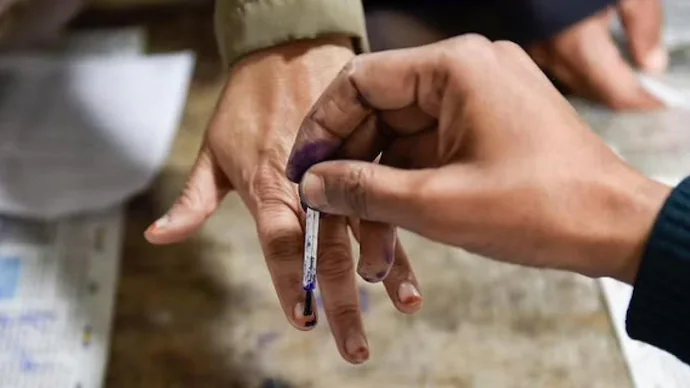
The snap legislative election will take place on November 17, and analysts say that Faye's political party, PASTEF, has a high chance of securing a majority. However, the outcome is far from certain, and the election will be closely watched by observers both within Senegal and internationally.
The election will likely be dominated by issues such as corruption, economic development, and the management of Senegal's natural resources. The country has been hit by skyrocketing inflation in recent years, making it difficult for many Senegalese to get by. Additionally, the country is a major source of irregular migration to Europe, with thousands leaving every year in search of economic opportunities.
The dissolution of Senegal's parliament and the call for a snap legislative election have significant implications for the country's democracy and stability. While Faye's decision may be seen as a bold move to consolidate power, it also raises concerns about the rule of law and the democratic process. The outcome of the election will be closely watched, and it remains to be seen whether Faye's party will be able to secure a majority and implement the reforms that he has promised.