Seven must-have dishes for a very Swedish Easter celebration
-
 Loading...
 - Freya Darren
- 07 Apr 2023
- 71 Views
- 0 Like
- 0 Comment
If you've spent Christmas or Midsummer in Sweden before, you'll probably recognise lots of the dishes at a Swedish Easter celebration. Here's our guide, as well as some vegetarian alternatives.
A traditional Swedish Easter menu is very similar to a Christmas julbord, although slightly lighter, with a focus on eggs and fish rather than the winter season's cabbage and kale dishes. Here's our rundown of what you should expect, as well as how you can make it yourself.
Herring
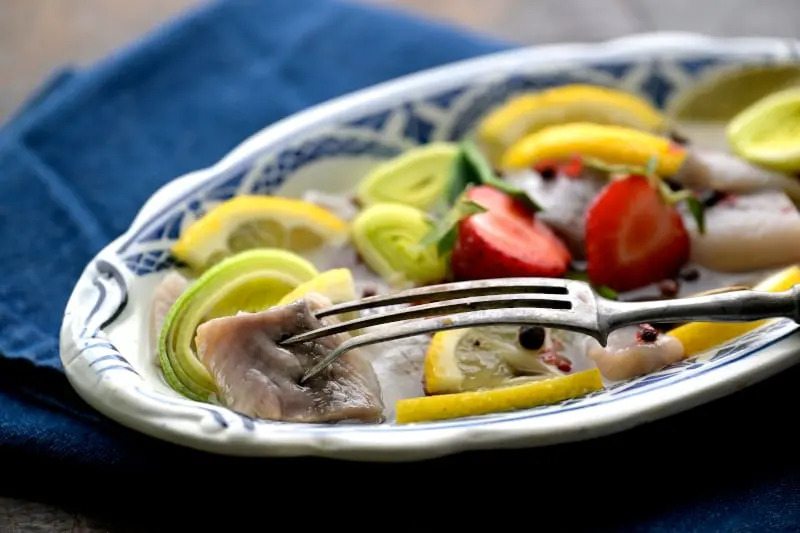
The most important part of the Easter table for many Swedes is the pickled herring (sill). In many families, one particular member of the family will be tasked with preparing the herring for the Easter meal weeks in advance.
If you're based in Sweden, you can buy herring in the supermarket, although most will say that homemade pickled herring is superior. Vegetarian or vegan pickled herring substitutes such as svill (made from mushrooms) and tofusill (made from tofu) are also commercially available.
If you are planning on making your own pickled herring for Easter, you have a few options. Either you can buy ready-salted herring fillets in the supermarket which can be pickled straight away, or you will have to buy fresh herring fillets which you salt yourself – the latter option can take up to two weeks so requires a bit of advance planning.
You can also make your own vegetarian options: try pickling aubergine, courgette or tofu. Most recipes will take at least two days, with the herring or alternative of choice needing to marinate overnight before serving, so get planning now if you want to have it on the table for Saturday.
Here are a selection of pickled herring recipes from John Duxbury’s Swedish Food website.
Salmon
Most Easter tables will feature at least two sorts of salmon, one is often a baked side of salmon. You'll often see smoked salmon and gravad lax (literally "buried", preserved in salt, sugar and often dill) alongside hovmästarsås, a mustard and dill sauce which is also served at Christmas.
If you don't eat fish, you can make a vegetarian or vegan version of gravad lax from carrots. This is usually referred to as gravad morot. Here's a recipe (in Swedish) from the book Vegansk husmanskost by Gustav Johansson. Again, it needs to be marinated overnight, so make sure to plan this in advance.
Eggs
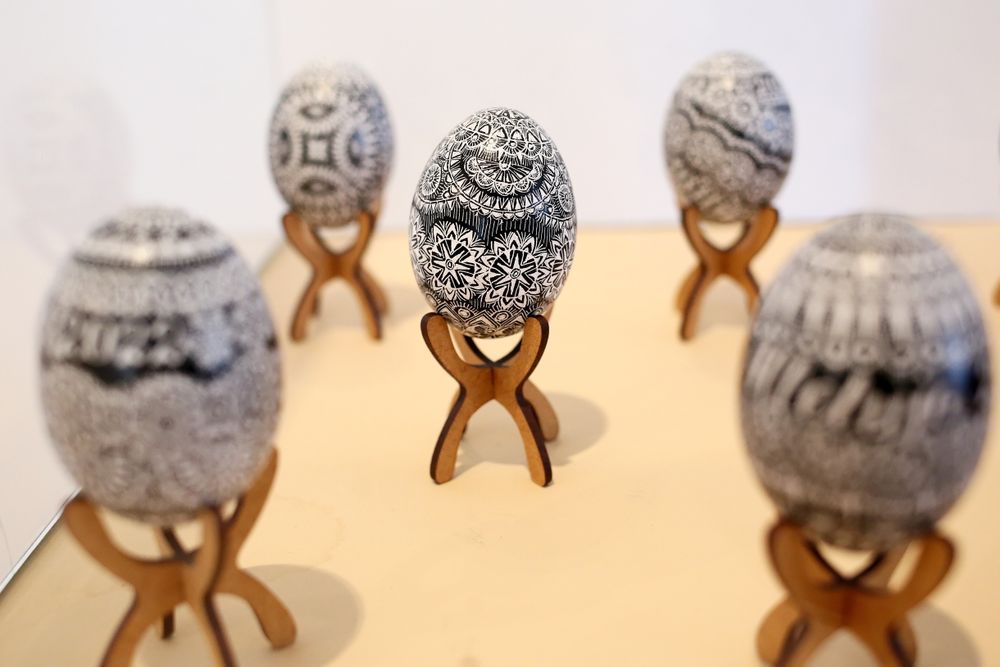
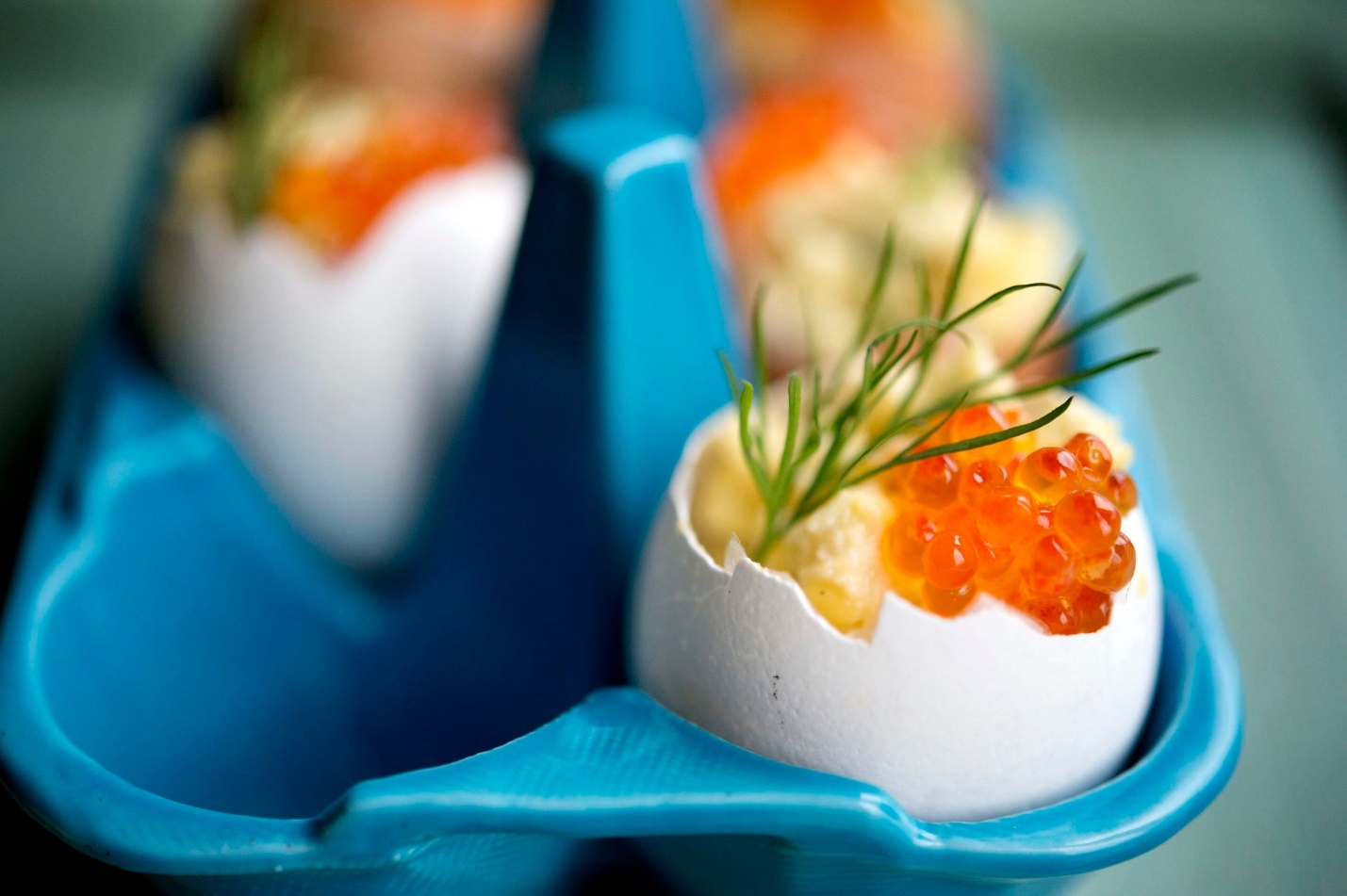
No Easter meal would be complete without eggs. The most usual form of eggs you'll see is cold, hardboiled eggs sliced in half. Some people will also top these half-eggs with mayonnaise, prawns and cod roe, known as kaviar in Swedish. This is sold in small glass jars in the fridge section of the supermarket, and can be orange or black - not the same as Kalles kaviar!
To make these vegetarian, you can leave out the prawns and use a vegetarian version of kaviar made from seaweed. Look for tångkaviar, which may be in the fish section of the supermarket, or the vegetarian section, if your supermarket has one of these. Read More…