Snap Launches New ‘Family Center' so Parents Can Monitor Who Their Teens are Interacting with in the App
-
 Loading...
 - Yannick Adamou
- 10 Aug 2022
- 79 Views
- 0 Like
- 0 Comment
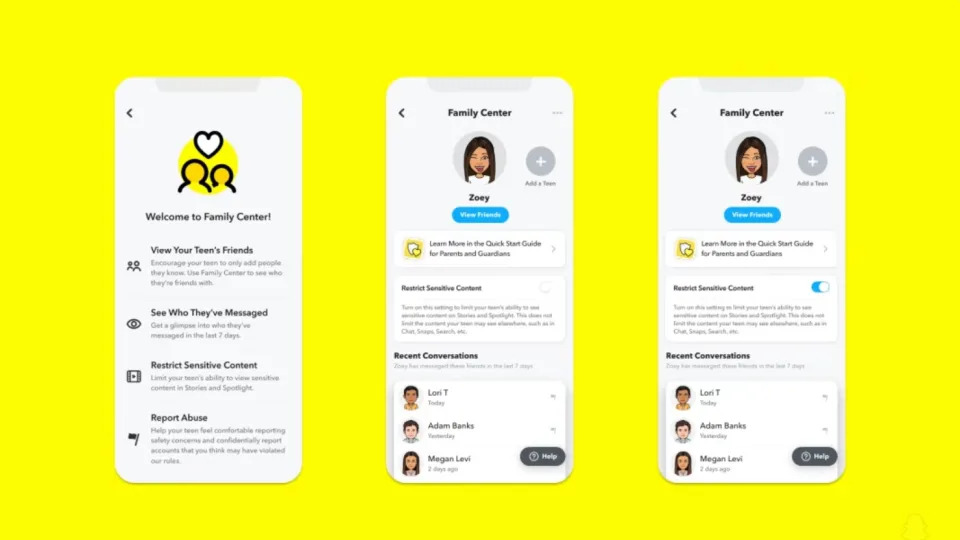
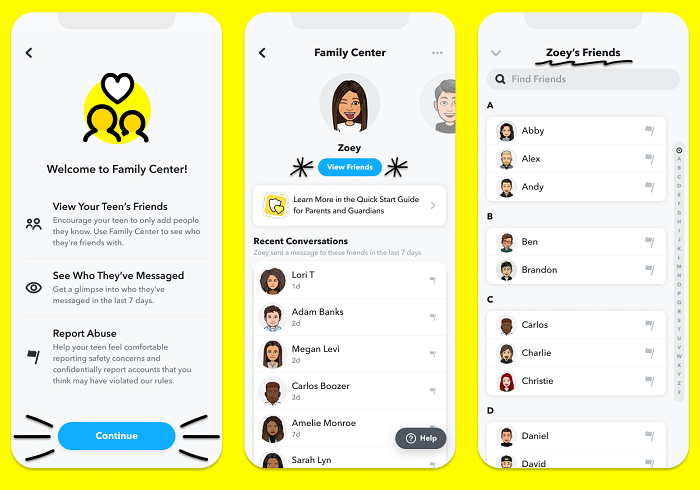
It’s been in development for the last few months, and now, Snapchat has officially launched its new Family Center, which will enable parents to essentially monitor who their teens are engaging with in the app, while also keeping the specifics of their conversations private.
As outlined in this introductory video, the aim of the Family Center is to help parents understand how their kids are engaging in the app, without overstepping privacy grounds.
As explained by Snap:
“Family Center is designed to reflect the way that parents engage with their teens in the real world, where parents usually know who their teens are friends with and when they are hanging out – but don’t eavesdrop on their private conversations. In the coming weeks, we will add a new feature that will allow parents to easily view new friends their teens have added.”
Parents will also be able to report any accounts that may be of concern directly to Snap’s Trust and Safety teams, without alerting their child, which could help to avoid any unwanted attention that their kids might be getting in the app.
In order to access the platform, parents will need to sign up for their own Snapchat account, then access the Family Center in the app.
As outlined here, teens will need to accept an invitation from their parents to join their Family Center dashboard, so there’s full transparency in the process.
(As an aside, it could also be a way for Snapchat to boost its active user counts, as every parent who wants to utilize the Family Center will need to sign up for an account to access it.)
It’s a valuable, and important update – though it does comes with some level of risk for Snap, in respect to potentially reducing the app’s appeal.
The ephemeral nature of Snapchat has, over time, made it a key platform for more risqué, controversial sharing activity, in variance to, say, Facebook, where your whole family is watching on. But now, with parents wading into the conversation, that could make it a less appealing prospect for this type of engagement, which may water down the platform’s value for younger audiences. Read More...