Social Media Monitoring: 6 Mistakes to Avoid
-
 Loading...
 - Dabiku Mwangi
- 02 Aug 2022
- 93 Views
- 0 Like
- 0 Comment
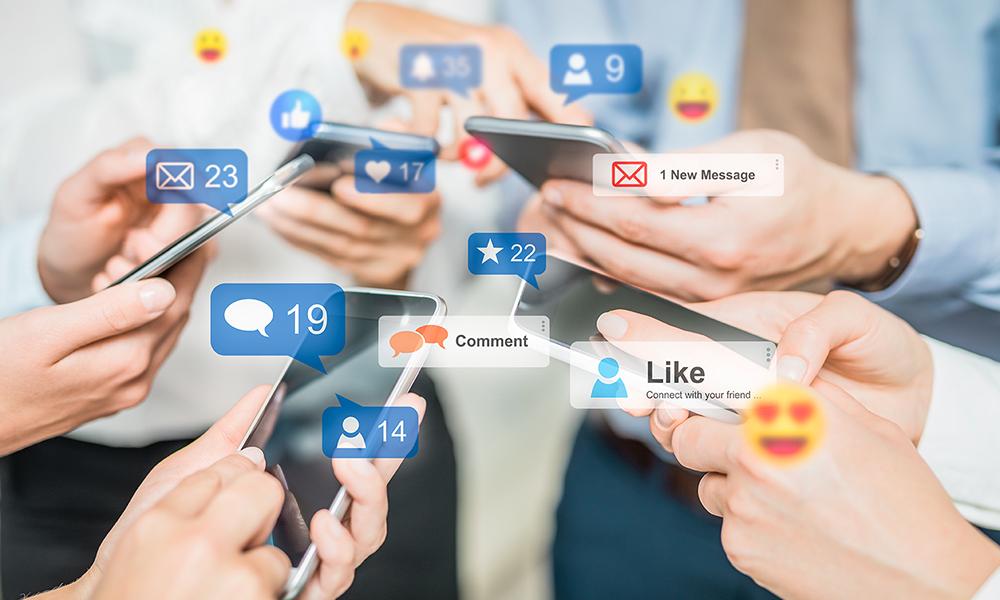
There are several social media monitoring tools out there that will track mentions of your brand on social media to keep an eye on what people are saying about you.
But before you get the ball rolling on your social media monitoring, it’s important to be aware of the potential pitfalls. That’s why, in this article, we’ll go over some common rookie social media monitoring mistakes to take heed of before they derail your social strategy.
What is social media monitoring, and how can it help you?
Social media monitoring is all about staying on top of all the chatter that is happening around your brand, industry and competitors. It asserts a proactive stance towards all types of correspondence related to your business, regardless of the sentiments attached to them.
By taking note of the conversations that go on around you, you can gather all sorts of valuable information, such as:
· Social share of voice: How visible your brand is in relation to your competition.
· Social ROI: If the money you spend on your brand’s social presence is yielding results.
· Social sentiment analysis: The way people feel and the tone they use when talking about your brand on social media.
· Social trends: The latest trends your audience is captivated by.
· Relevant keywords and hashtags: Which hashtags or keywords your competitors are using and ones you may consider using in the future.
Note that it’s not just quantitative data you’ll be collecting through social monitoring, but also qualitative insights that can help inform your future posts and campaign strategies.
Social monitoring vs social listening
Many people mistakenly believe that social media monitoring and social media listening are the same thing, but they are in fact two very different techniques that should not be used interchangeably.
Social monitoring refers to tracking, identifying, and responding to individual social mentions of your brand, products, and competitors. Social listening, on the other hand, is the process of gathering data from those social mentions and the broader customer conversations to figure out insights that can ultimately be used to improve business results.
You can think of social media monitoring as akin to putting a band-aid on a wound while social media listening helps you understand why the wound occurred in the first place.
Social media monitoring is a short-term solution, in that you react to what your audience is saying — responding to a customer complaint, for instance. Social media listening, however, is a proactive process aimed at creating a long-term solution based on social media insights — for example, fixing a problem that people are complaining about so others do not have the same issue. Read More…