The Women Behind Zimbabwe’s Striking Hut Painting Art
-
 Loading...
 - Obama Wamaitha
- 14 Nov 2024
- 54 Views
- 0 Like
- 0 Comment
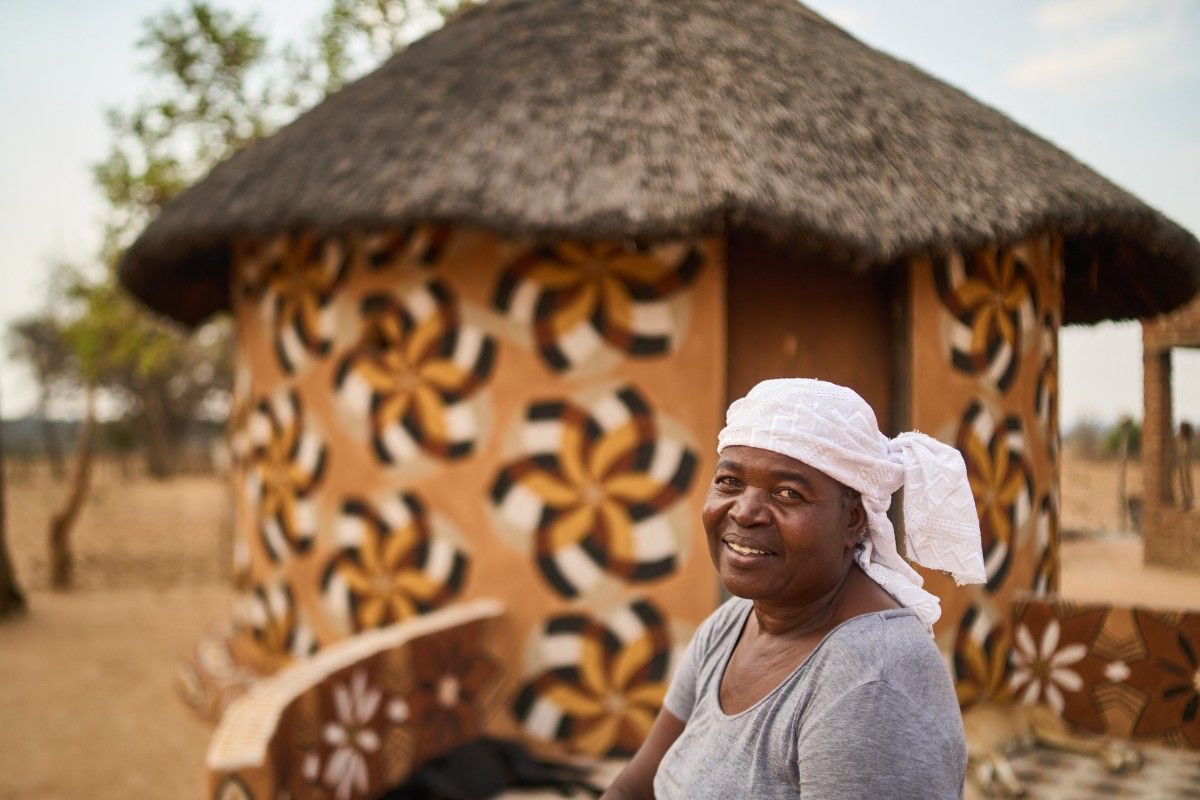
In southwestern Zimbabwe, in the heart of Matobo, a group of women are reviving and reimagining the traditional Ndebele art of hut painting. This ancient practice, passed down through generations, is transforming local cultural heritage into an economic opportunity, with artists like Peggy Masuku and Elgar Maphosa leading the way. These women create intricate patterns on the mud walls of thatched huts using natural pigments from soil, charcoal, and ash. Their work reflects not only aesthetic beauty but also a historical form of storytelling and cultural expression.
The hut-painting tradition began as a way to maintain and decorate the homes in rural Zimbabwean communities. Women, like Masuku, often start by learning to apply a cow-dung paste to floors and walls, with intricate designs added later as they perfect their skills. Originally, the motifs in these paintings carried specific meanings tied to the community’s worldview, beliefs, and values. However, as Western influences seeped in, the art form became more focused on aesthetics while still preserving cultural roots.
Since 2014, the annual “My Beautiful Home” competition, initiated by French resident Veronique Attala, has showcased this art form and recognized talented local artists like Masuku. Attala’s efforts, along with support from the German Embassy and partnerships with Zimbabwe’s National Gallery and Fashion Council, have further expanded the art’s reach. These collaborations have produced the “Matobo Collection,” a series of textiles, flowerpots, and lampshades bearing the artists’ designs. Sold in Zimbabwe and internationally, the products provide licensing fees and royalties to the women artists, offering them an income stream from their unique heritage. Intellectual property lawyers are also guiding the artists through copyright issues, protecting their creative contributions.
This commercial breakthrough highlights the significance of Zimbabwe's hut painting art, bringing traditional motifs to global audiences. It also inspires the younger generation, with young women like Nozipho, a development studies graduate, now learning the craft from their mothers to keep the tradition alive. Artists like Masuku, who has been commissioned to paint buildings in tourist areas like Victoria Falls, represent a new era where traditional art not only preserves cultural identity but also empowers women economically. The global recognition of Zimbabwe’s hut painting art is both a tribute to the artistry of the Matobo women and a powerful example of sustainable cultural conservation.