Three Key Differences Between Pisco And Whiskey
-
 Loading...
 - william harrison
- 31 Jan 2023
- 88 Views
- 0 Like
- 0 Comment
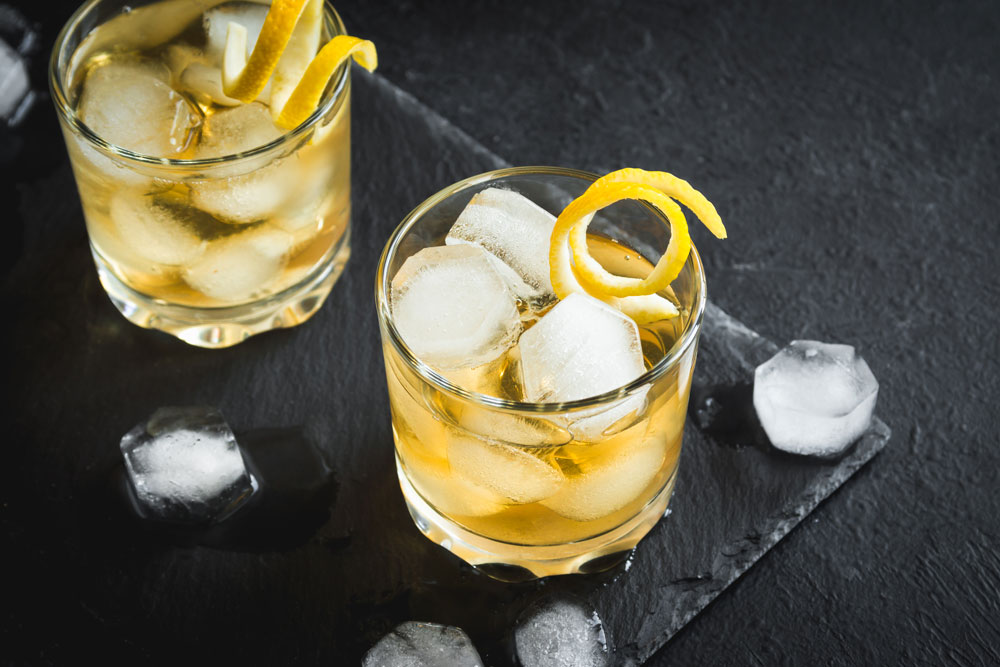
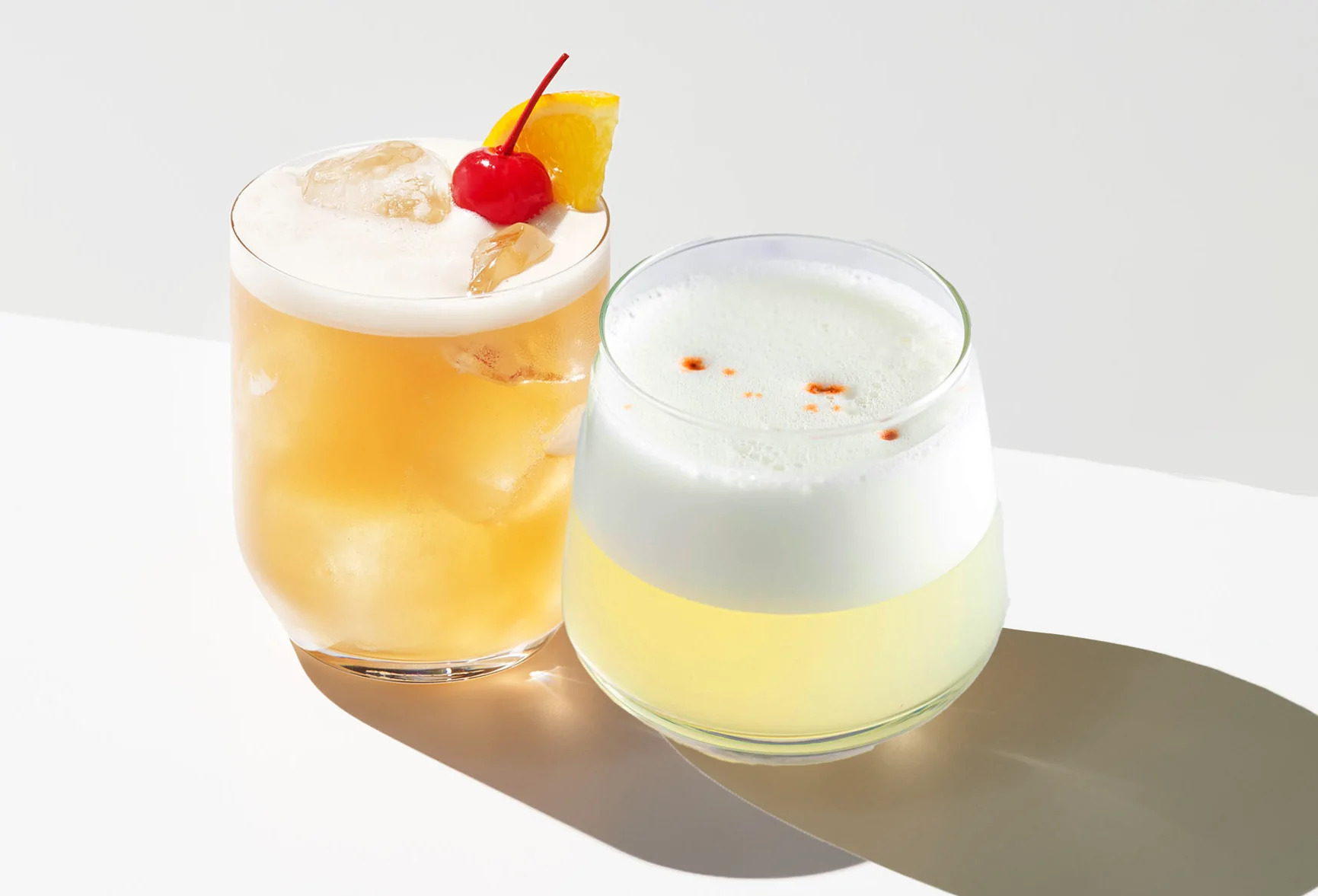
One of the most famous and well-loved Peruvian cocktails is the Pisco Sour. Refreshing citrus drink with a good kick of bitters and spirit. The leading spirit behind this drink is Pisco. And there's a variety of Pisco Sour that's usually just below the menu, the Whiskey Sour.
Both drinks are incredible, but why is Whiskey able to have a similar result with its cocktail version? Is it better or worse than Pisco, or maybe it doesn't matter? To answer these questions, let's determine the significant difference between Peru's famous Pisco and Whiskey.
Pisco is a Type of Brandy, not Whiskey
The most technical difference between Pisco from any whiskey is, well, it's a kind of brandy. Brandy is a type of liquor made from fermenting and distilling any fruit, while Whiskey's from using grains. Think of Pisco as wine while Whiskey is beer, with extra steps.
Brandies are pretty specific to their origins and processes. Peruvian Pisco uses Muscat or Italia grapes explicitly grown in these five regions: Lima, Ica, Arequipa, Moquegua, and Tacna. Thus, no one else outside of Peru and Chile can produce Pisco.
The Distillation and Aging Process
Pisco and Whiskey generally have a similar start in the process of making these spirits. Both use copper stills to remove unpleasant sulfur-based compounds and prevent bacterial growth. Both are fermented in specialized containers until a mature date, which can be determined by the alcohol percentage formed in the liquid. But it's in the later processes where these two spirits differ.
Pisco is aged in containers made of glass or unreactive material, while Whiskey uses oak barrels as the spirit doesn't mature in glass containers. The usual oak or some special wood barrels are used for aging Whiskey to add flavor to the end product.
Additionally, Peruvian Pisco doesn't undergo dilution (addition of water to reduce concentration) and is directly bottled right after distillation, unlike its Chilean counterpart. Read More…