Ticks and lyme disease – it’s time to be careful
-
 Loading...
 - James Smith
- 28 Mar 2023
- 100 Views
- 0 Like
- 0 Comment
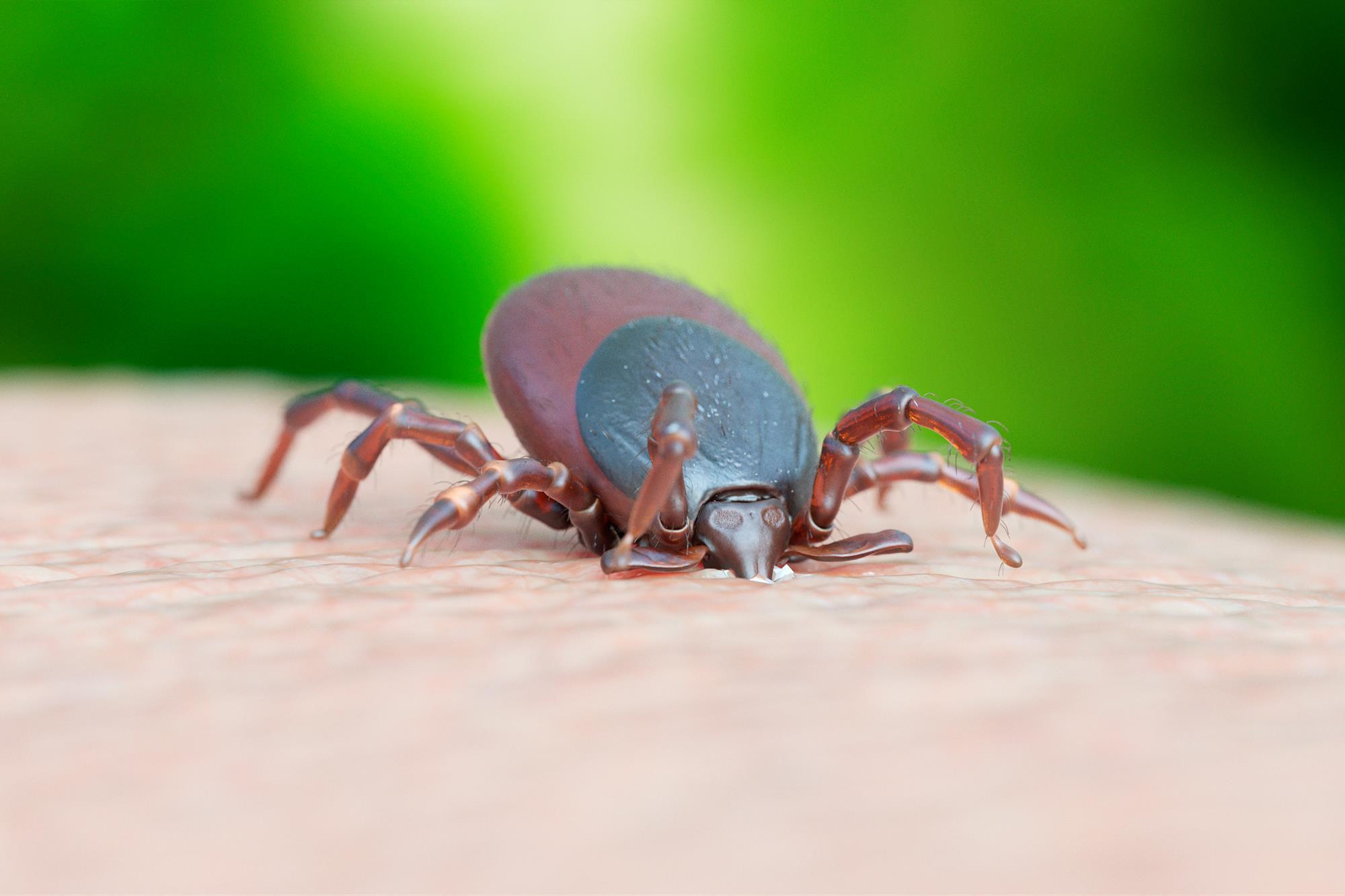
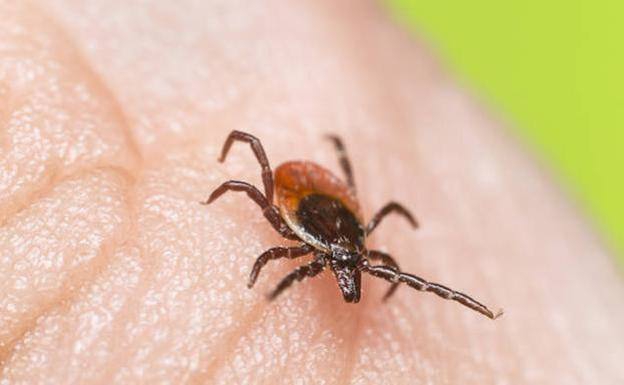
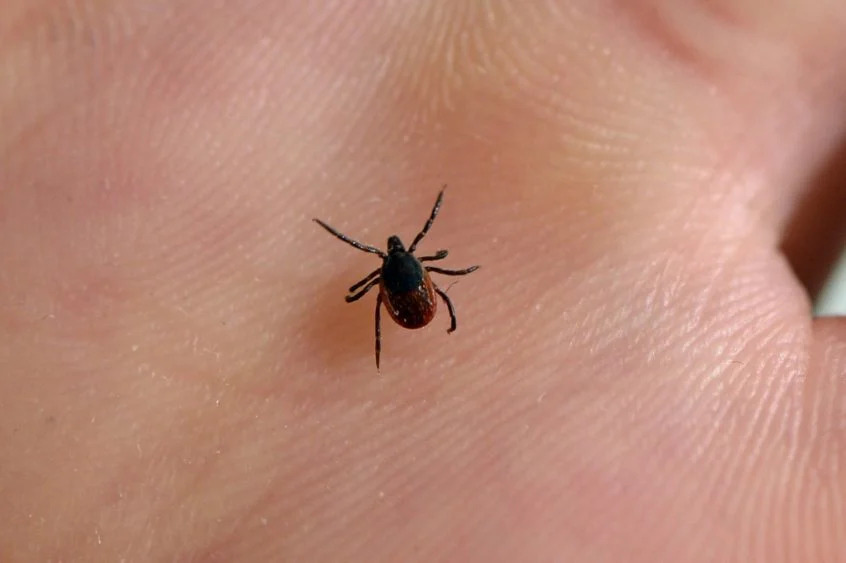
As the weather warms ticks emerge in their tiny nymph form. These small blood sucking insects carry diseases, bad ones.
April, May, June, July and August are when most people get infected, according to the Swiss Federal Office of Public Health. Ticks become active when the temperature reaches 7 degrees. In 2023, they have started to emerge early due to unseasonably warm temperatures.
A recent study reported by RTS reveals that climate change is increasing the risks in Switzerland. The hospitable environment for ticks in Switzerland increase by two thirds between 2009 and 2019, an increased area of 4,000 km2. In addition, reported number of tick bites rose from around 10,000 a year between 2012 to 2016 to 14,000 a year between 2017 and 2021, a rise of 40%.
The most common tick-borne infection is Lyme borreliosis, a bacteria which can eventually attack the joints, heart, and nervous system. The first symptom is usually a rash near the bite, although some don’t get this, combined with flu-like symptoms, memory loss and joint pain.
Treatment is a course of antibiotics. Those treated early typically recover suffering no long term damage. Left untreated the disease can lead to brain, heart and joint disability. It is important to treat the disease as early as possible, so if you get it go to your doctor smartly.
Unfortunately, there is no vaccine for Lyme disease.
Lyme disease bacteria was discovered by Willy Burgdorfer in the US in 1980. The name Lyme comes from an eponymous US town in Connecticut which was a hotspot for the disease.
It has been around for a long time. In 2010, Lyme disease bacteria was found in the remains of Ötzi the iceman, a 5,300-year-old mummy discovered in a thawing glacier in the Alps.
In Switzerland, around 5% to 30% (sometimes as high as 50 %) of ticks are infected with Borrelia burgdorferi (Lyme disease), according to the Federal Office of Public Health (FOPH). Read More…