Tips for taking the most beautiful nature photos with a smartphone
-
 Loading...
 - James Hale
- 27 Jul 2022
- 85 Views
- 0 Like
- 0 Comment
How many times have you been unsatisfied with the photos you took when you went on vacation, a short hike, or a simple nature walk? You don't need to be equipped with a professional camera to take successful photos, because today's technology allows you to do it with a smartphone as well.
Nature is so rich in detail that sometimes it seems difficult to capture its beauty in its entirety. And even though our eyes are the best cameras, photos remain our memories forever. In order not to be disappointed with the next photos you will take, we have prepared an article with useful tips to help you take pictures like a pro.
Here's what you need to know:
Explore different angles
When shooting with a smartphone, you're often limited to the main sensor. A logical choice, as it is the best-defined room and the one that perceives the most brightness. However, the other photo sensors bring more original angles that it would be a shame not to exploit. The new Samsung brand mobile phones are equipped with interesting objectives, the newest model in the brand's portfolio being equipped with:
· 50-megapixel wide-angle lens (f/1.8)
· 12-megapixel ultra-wide-angle lens (f/2.2)
· 10 megapixel x3 telephoto lens (f/2.4)
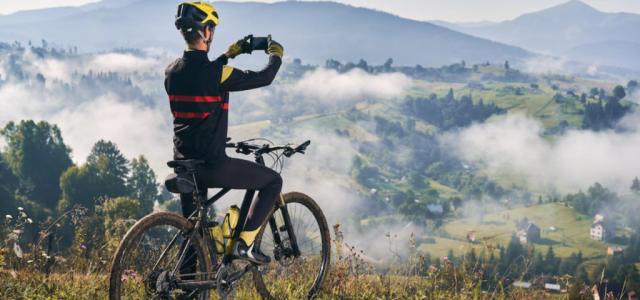
The ultra wide angle lens is the most comfortable to capture the immensity of nature. It allows capturing elements that don't fit in a conventional angle, such as large trees, mountains, etc. Instead, this type of lens always tends to distort the image.
Take macro photos
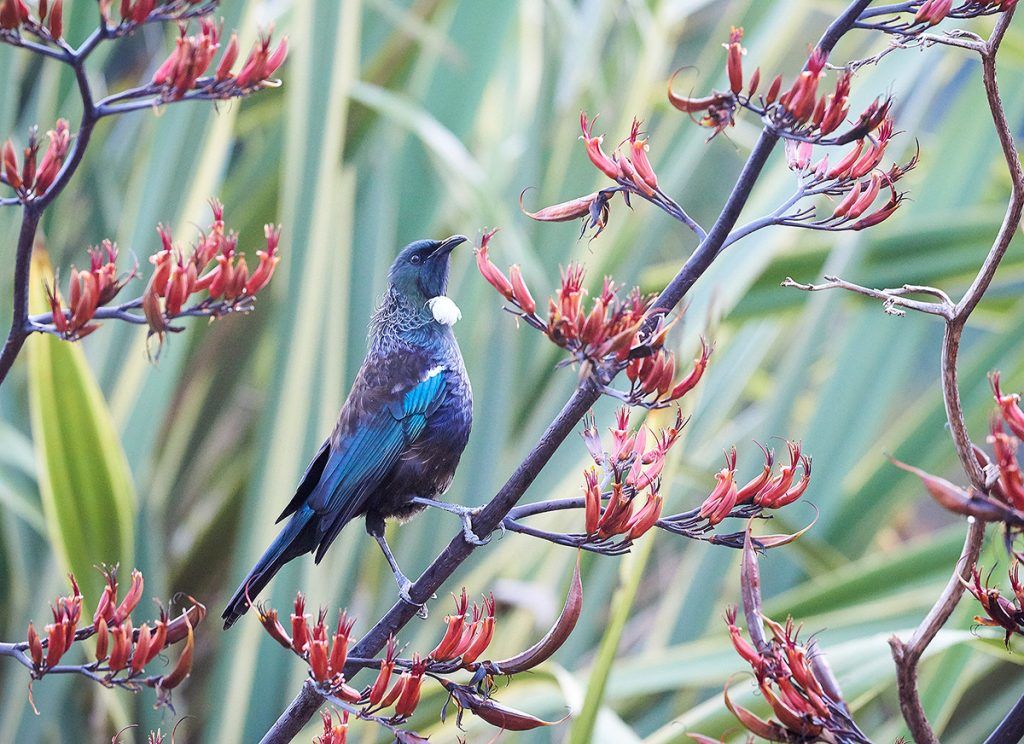
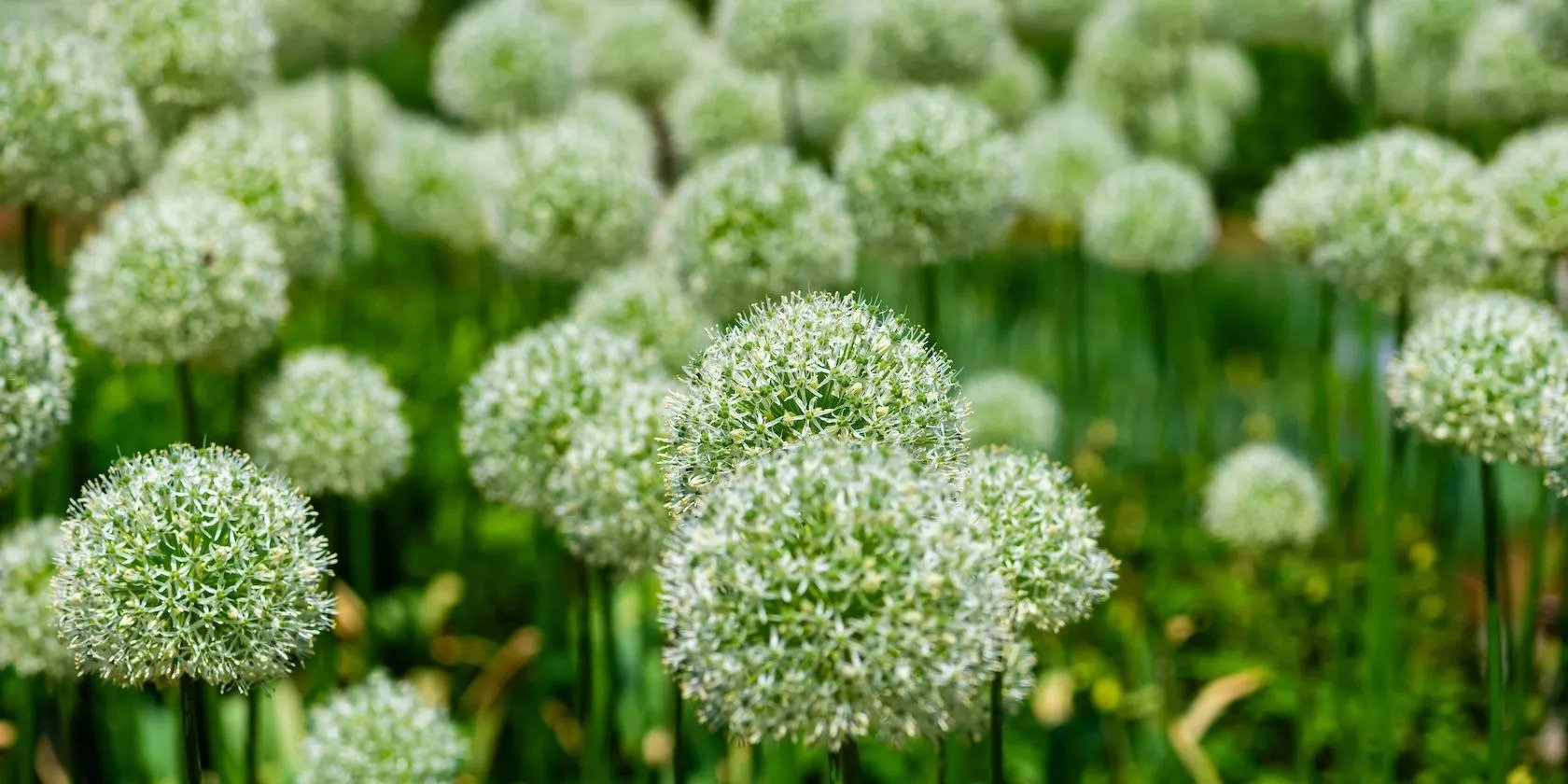
Nature is the biggest playground we have at our fingertips. To get original angles, get as close as possible to the subject for successful macro shots. Some smartphones have a dedicated built-in mode. Accentuates the macro effect by isolating the focus area from the rest of the image through digitally generated blur. By adjusting the intensity of the blur, you will be able to easily take macro photos with your smartphone and capture the beauty of nature as close as possible.
Play with contrasts
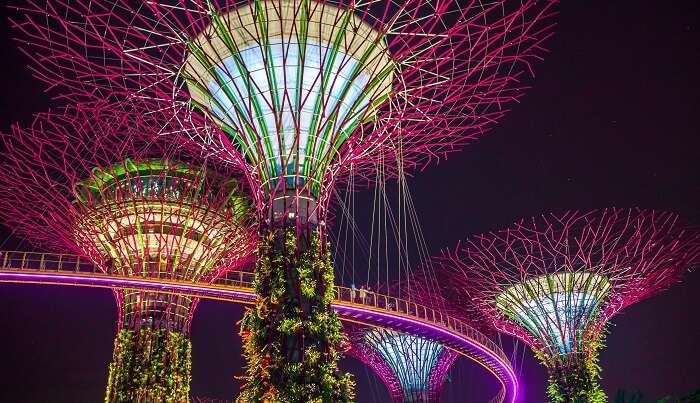
We often think that images taken in bright environments are the best. This is not always true, as hard light brings a lot of contrast, sometimes too much. Our advice is to take advantage of the contrast between light and dark. And if all these contrasts and bright colors seem complicated to you, switching to black and white may be the alternative you're looking for. Read More…