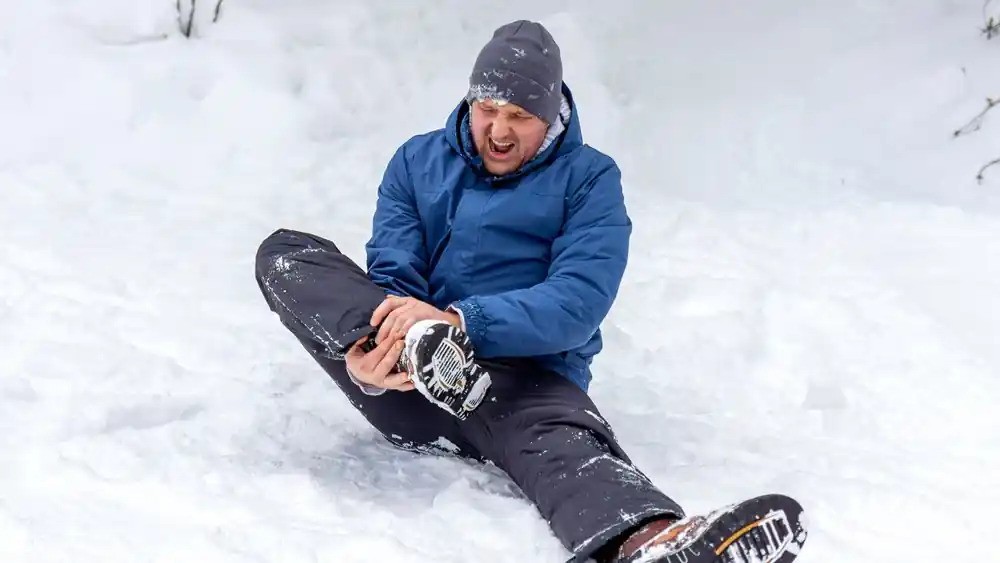
Tips to Prevent Exercise Injuries in Winter
-
 Loading...
 - Alejandro Diaz
- 06 Mar 2025
- 35 Views
- 0 Like
- 0 Comment
Exercising during the winter months can be invigorating, but it also comes with unique challenges that can increase the risk of injuries. Here are some essential tips to help you stay safe and prevent injuries while staying active in colder weather.
1. Warm Up Properly
Before heading out into the cold, take the time to warm up your muscles. Engage in dynamic stretches and light aerobic exercises indoors to increase blood flow and prepare your body for the workout ahead. This can help reduce the risk of strains and sprains.
2. Dress Appropriately
Layer your clothing to stay warm while allowing for breathability. Wear moisture-wicking fabrics to keep sweat away from your skin, and don’t forget to protect your extremities with gloves, hats, and thermal socks. Proper footwear with good traction is essential to prevent slips on icy surfaces.
3. Stay Hydrated
It’s easy to overlook hydration in winter, but your body still loses fluids during exercise. Drink water before, during, and after your workout to maintain optimal hydration levels, which can help prevent muscle cramps and fatigue.
4. Choose Safe Locations
When exercising outdoors, select safe locations that are well-lit and free of ice and snow. If conditions are particularly hazardous, consider indoor alternatives like gyms or community centers to avoid the risk of falls.
5. Modify Your Routine
Adjust your exercise routine to accommodate winter conditions. Consider lower-impact activities such as swimming, cycling on a stationary bike, or indoor classes. If you prefer outdoor activities, opt for shorter sessions and gradually increase intensity as your body adapts.
6. Listen to Your Body
Pay attention to how your body feels during exercise. If you experience pain or discomfort, stop and assess the situation. Pushing through pain can lead to more severe injuries, so it’s essential to know your limits.
7. Incorporate Strength Training
Building strength in your muscles and joints can help prevent injuries. Incorporate strength training exercises into your routine to improve stability and support your body during physical activities.
8. Cool Down and Stretch
After your workout, take the time to cool down and stretch your muscles. This helps improve flexibility and reduces muscle soreness, which can contribute to injury prevention.
9. Be Mindful of Weather Conditions
Check the weather forecast before heading out. Avoid exercising in extreme cold, heavy snow, or icy conditions. If the weather is particularly harsh, consider rescheduling your workout or opting for an indoor alternative.
10. Consult a Professional
If you’re unsure about how to adjust your exercise routine for winter or if you have a history of injuries, consider consulting a fitness professional or physical therapist. They can provide personalized advice and help you develop a safe and effective workout plan.
Staying mindful of your body, dressing appropriately, and adapting your activities to the conditions will help you prevent injuries and maintain your fitness throughout the season.