Triple Exhibition Celebrates the Rediscovery of Maarten van Heemskerck, a Dutch Old Master
-
 Loading...
 - Mikhail Petrov
- 03 Sep 2024
- 49 Views
- 0 Like
- 0 Comment
The Dutch Old Master Maarten van Heemskerck, a significant figure in 16th-century Dutch art, is being celebrated with a triple exhibition across three venues in the Netherlands. This comprehensive showcase marks a pivotal moment in the artist's rediscovery, which has been ongoing since the 1980s. Van Heemskerck, known for his religious and mythological scenes, as well as his popular print series on the ancient Wonders of the World, fell out of favor during the Protestant Reformation and the subsequent Dutch Golden Age. However, his contributions to art are now being reassessed and appreciated.
The three-part exhibition will be hosted in Haarlem and Alkmaar, cities closely connected to van Heemskerck's life and work:
1. Frans Hals Museum in Haarlem: This venue will focus on the early part of van Heemskerck's career before he left for Rome in 1532, showcasing his development as an artist.
2. Teylers Museum, also in Haarlem: This part of the exhibition will feature about 65 of van Heemskerck’s prints, including his famous series on the Wonders of the World.
3. Stedelijk Museum Alkmaar: Located 30 km north of Haarlem, this museum will delve into van Heemskerck's years in Rome and the lasting influence of this period on his later work.
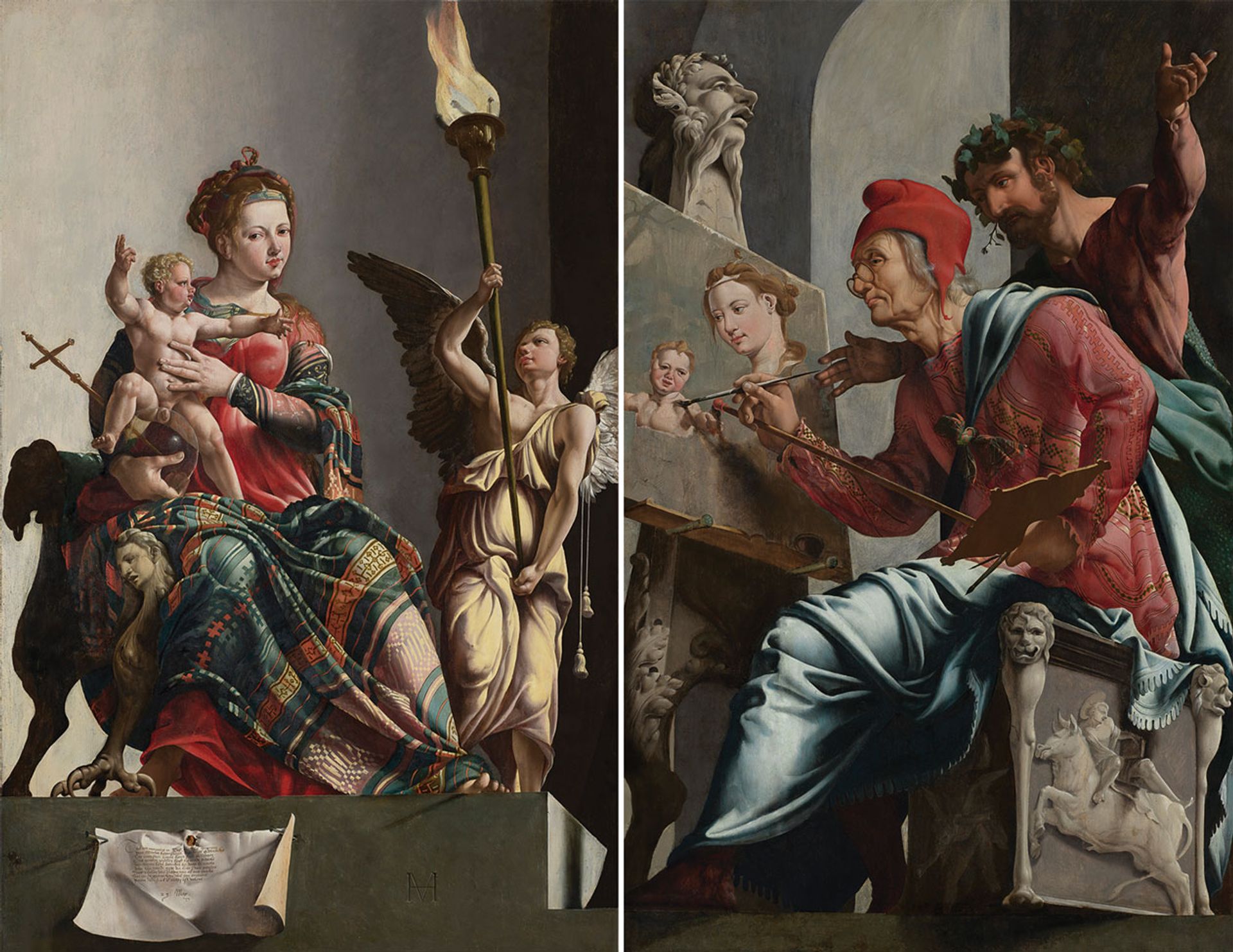
A highlight of the exhibition is the restored masterpiece Saint Luke Painting the Madonna (1532). This painting, based on the Byzantine legend that turned the Evangelist Luke into a painter, was originally created as two large panels that were later joined together. The recent restoration has separated these panels again, uncovering details such as a brightened grey-blue background, which enhances the work's spatial depiction.
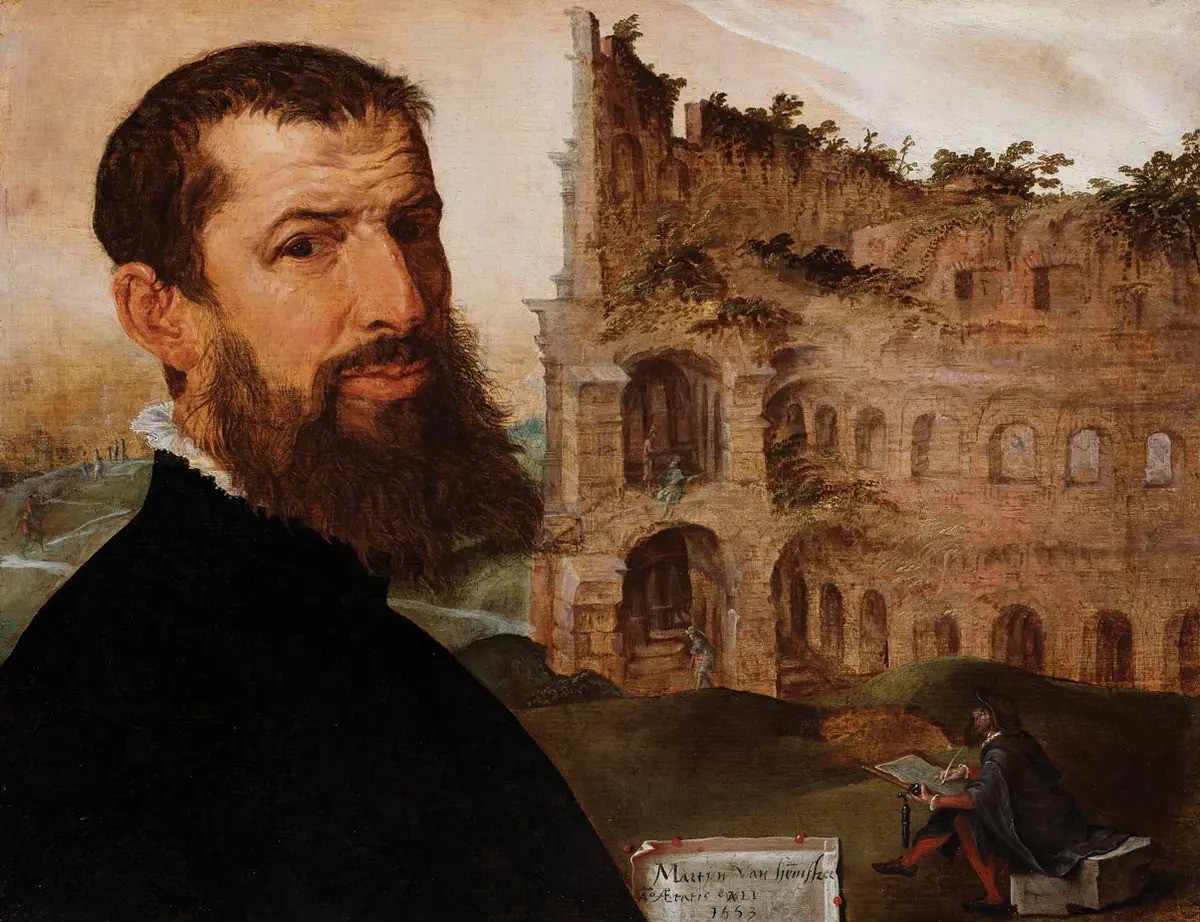
This extensive exhibition, which includes works like Self-Portrait with the Colosseum (1553) and various drawings and prints that influenced later artists like Rembrandt, serves as a reminder of van Heemskerck's significant yet underappreciated contribution to Dutch art. The show not only highlights his technical skills and artistic innovations but also reassesses his place in the broader narrative of Dutch art history.