Unveiling the Power of Art: "Art and Social Change in Spain" at the Museo del Prado
-
 Loading...
 - Mirabella Borgia
- 06 Sep 2024
- 50 Views
- 1 Like
- 2 Comment
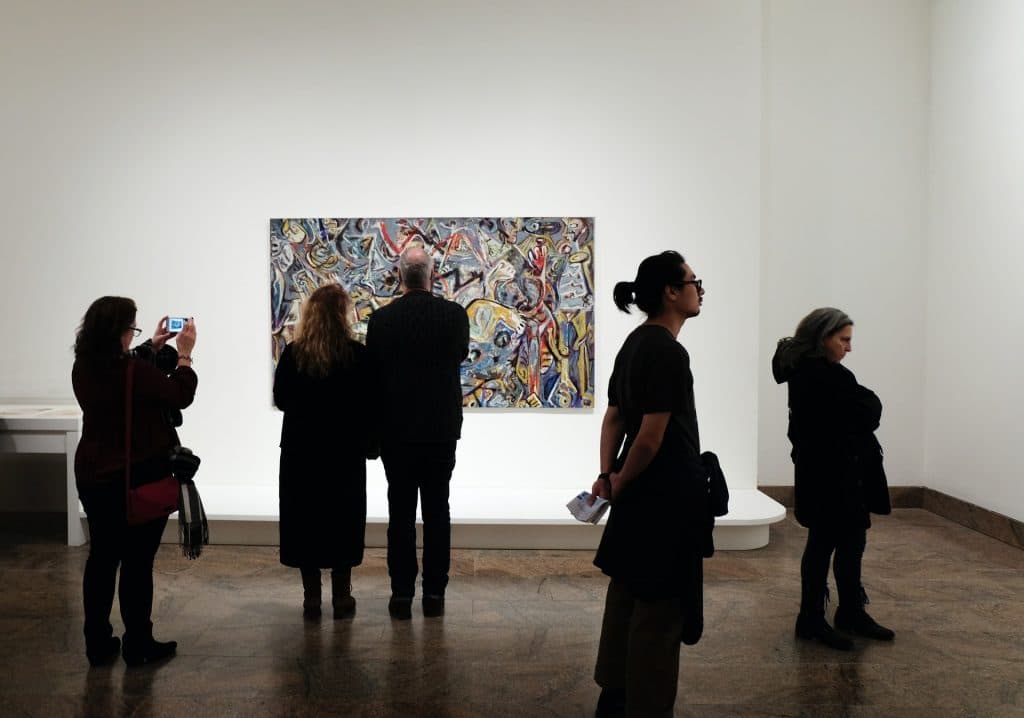
In the city of Madrid, where art seems to permeate every aspect of life, the Museo del Prado is currently hosting a thought-provoking exhibition that sheds light on the lives of Spain's lower classes during a pivotal period in the country's history. "Art and Social Change in Spain (1885-1910)" brings together nearly 300 works, many of which have never been exhibited before, to showcase the country's rich tradition of social painting.
The exhibition is divided into sections, each focusing on a specific aspect of working-class life, such as rural labor, industrial proletariat, and the struggles of fishermen. The artworks also delve into the often-overlooked topics of women's work, prostitution, and the devastating consequences of accidents at work. The depictions of strikes and protests, which ultimately contributed to the outbreak of the Spanish Civil War, are equally poignant.
Among the many remarkable pieces on display, José Jiménez Aranda's "A Tragic Event" (1890) stands out for its powerful portrayal of a construction accident, evoking a sense of familiarity and unease in the viewer. The scene is set amidst scaffolding that looks eerily familiar, with onlookers reacting in various ways, some craning their necks to get a better view, while others turn away in horror. The artist's masterful use of composition and color creates a sense of tension and drama, drawing the viewer into the scene.
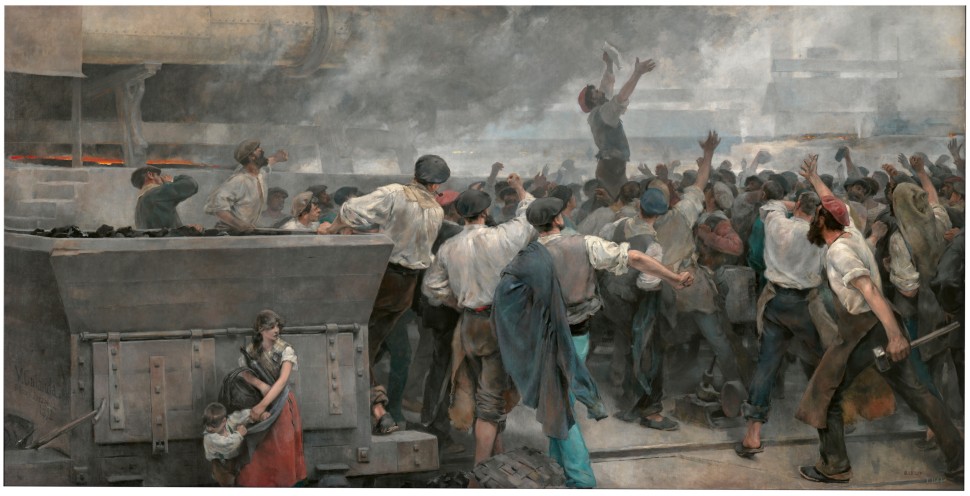
Vicente Cutanda's "A Workers' Strike in Vizcaya" (1892) is another masterpiece on display, its epic proportions and framing reminiscent of a cinematic climax. The painting depicts a striking worker being lifted into the air, surrounded by a crowd of onlookers, including a woman huddled near the coal with a child. The artist's use of color and light creates a sense of energy and urgency, capturing the intensity of the moment.
A young Picasso's "Burial in the Countryside" (1900) is also noteworthy, its haunting resemblance to the works of Edvard Munch adding to its emotional impact. The painting's somber colors and haunting atmosphere evoke a sense of melancholy and introspection, drawing the viewer into the world of the artist.
While some of the works may border on the prosaic, their message remains powerful and relevant. In an era where contemporary art often prioritizes subtlety and irony, these paintings tackled the problems of their time with unflinching directness, making them all the more stirring. The artists' use of technique, from composition to color, serves to amplify the emotional impact of the works, drawing the viewer into the world of the painting.
"Art and Social Change in Spain" is a testament to the transformative power of art, which can inspire change, spark empathy, and provide a window into the past. As you walk through the galleries, you are reminded of the enduring impact of these works, which continue to resonate with audiences today. The exhibition serves as a powerful reminder of the role that art can play in shaping our understanding of the world around us, and the importance of preserving and showcasing these works for future generations.



Claudia Spagnuolo
Nice article ❤- view replies(1)
Joe Onyero
@claudiaspagnuolo 🙌