US election feels reverberations of Middle East conflict
-
 Loading...
 - Flynn Abbey
- 04 Oct 2024
- 48 Views
- 0 Like
- 0 Comment
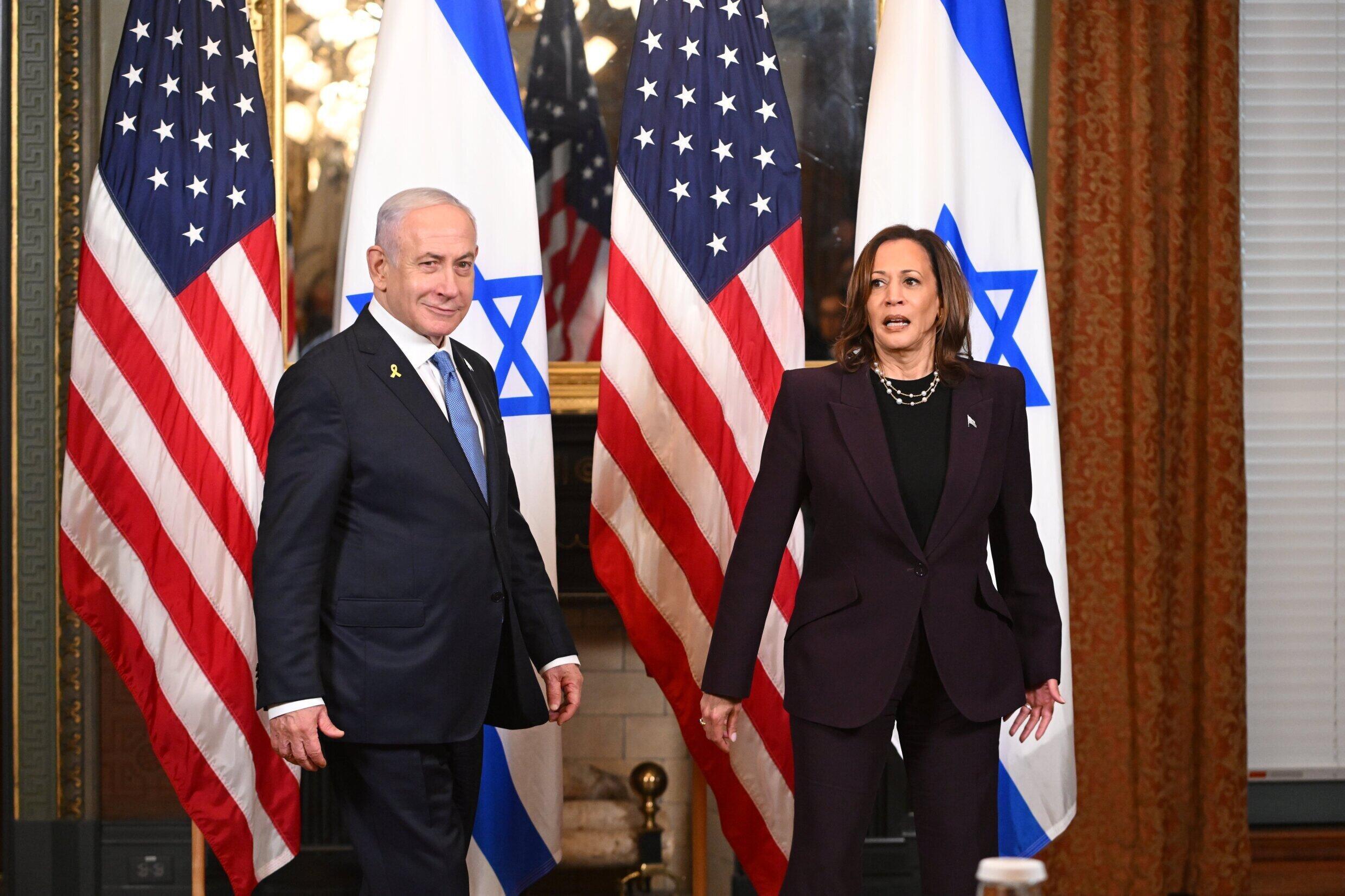
The ongoing conflict in the Middle East has become a significant issue in the US presidential campaign, with both candidates, Kamala Harris and Donald Trump, taking different approaches to address the situation.
Harris, the Democratic candidate, is walking a tightrope as she tries to balance her support for Israel, a key ally of the US, with the need to appeal to Muslim and Arab American voters. She has followed in President Joe Biden's footsteps by pledging support for Israel, but has also been more insistent in her calls for a ceasefire.
On the other hand, Trump has taken a more aggressive approach, blaming the Harris-Biden administration for the conflict and warning of a third world war. He has also made several comments that have been criticized as anti-Semitic, including accusing Democratic Senator Chuck Schumer of being a "proud member of Hamas."
The conflict has significant implications for the US presidential election, particularly in states with large Jewish populations such as New York and Pennsylvania. Trump is hoping to gain votes in these states by positioning himself as a strong supporter of Israel, but his aggressive tone has at times backfired.
Michigan is also a key state in the election, with a sizable Arab American population. The Harris campaign is focusing on this state, but the conflict in the Middle East could have an impact on the outcome of the contest.
Overall, the conflict in the Middle East has become a major issue in the US presidential campaign, with both candidates taking different approaches to address the situation. The outcome of the election could have significant implications for US foreign policy in the region.