When to Use Manual Focus on Your Camera
-
 Loading...
 - Giorgia Parisi
- 10 Mar 2025
- 27 Views
- 0 Like
- 0 Comment
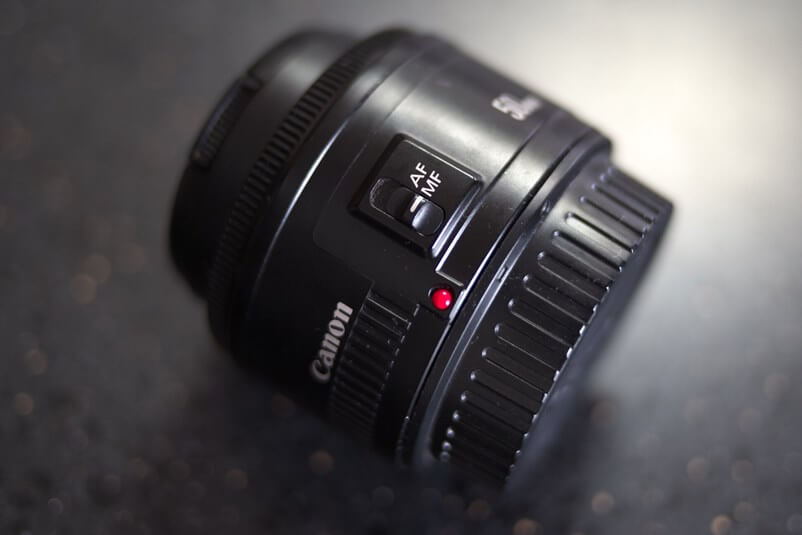
While modern cameras come equipped with advanced autofocus systems, there are specific situations where using manual focus can be more beneficial. Here are some scenarios where manual focus is the preferred choice:
1. Low Light Conditions
In low light situations, autofocus systems may struggle to find a clear focus point, leading to slow or inaccurate focusing. Manual focus allows you to precisely control the focus point, ensuring that your subject is sharp even in challenging lighting.

2. Macro Photography
When shooting close-up images of small subjects, such as flowers or insects, manual focus is often necessary. Autofocus can be unreliable at such close distances, and even slight movements can throw off the focus. Manual focus allows for fine-tuning to achieve the desired sharpness.
3. Portraits with Shallow Depth of Field
When working with a shallow depth of field, such as in portrait photography, it’s crucial to ensure that the focus is exactly where you want it—typically on the subject's eyes. Manual focus allows you to take your time and ensure precise focus, especially when using wide apertures.
4. Shooting Through Obstacles
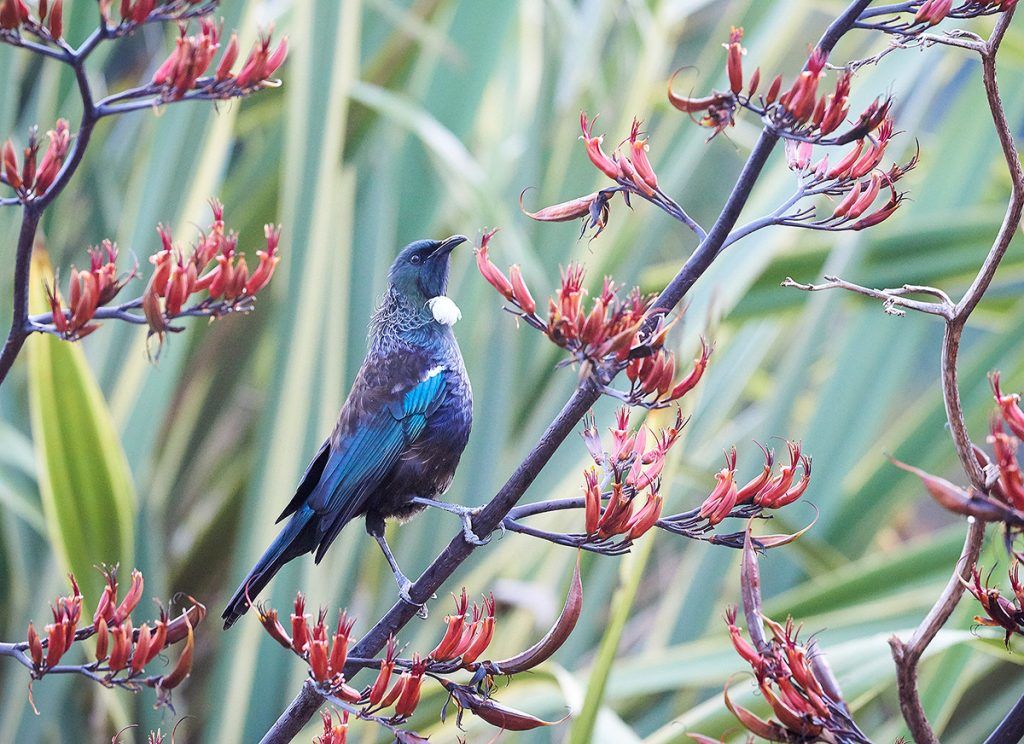
If you’re photographing a subject that is partially obscured by objects (like branches or fences), autofocus may lock onto the wrong element. Manual focus lets you bypass these obstacles and focus directly on your intended subject.
5. Video Recording
When shooting video, manual focus is often preferred to avoid the "focus hunting" that can occur with autofocus. Manual focus allows for smoother transitions and more control over the focus during a shot, which is especially important in narrative filmmaking.
6. Landscape Photography
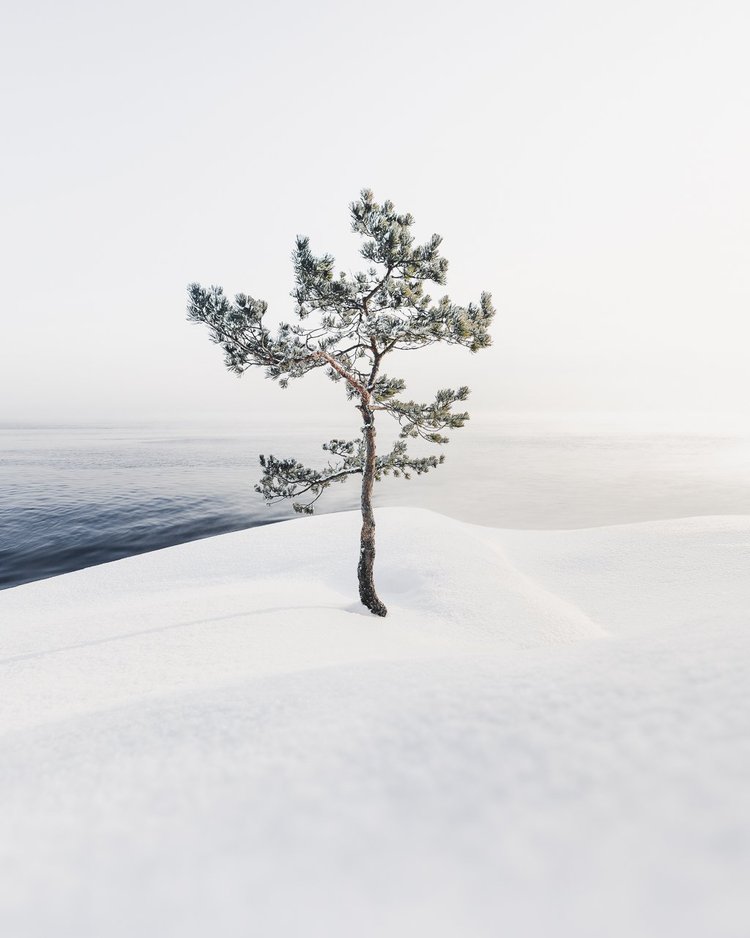
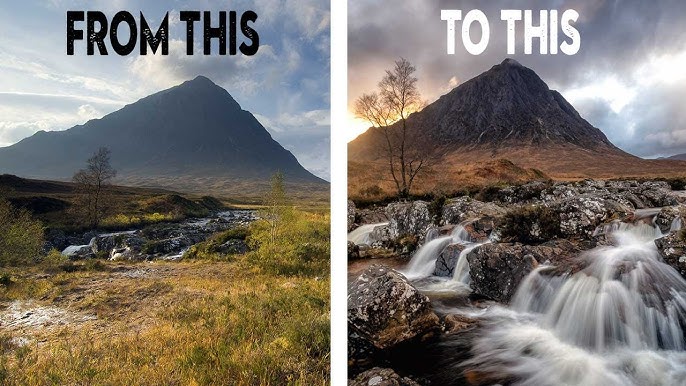
In landscape photography, you may want to achieve a specific focus point, such as a foreground element, while keeping the background sharp. Manual focus allows you to set the focus precisely where you want it, often using techniques like hyperfocal distance to maximize depth of field.
7. Night Sky and Astrophotography
When photographing stars or other celestial objects, autofocus can struggle due to the lack of contrast in the dark sky. Manual focus allows you to set the focus accurately on a distant star or planet, ensuring sharp images of the night sky.

8. Creative Control
Manual focus gives you complete control over your composition and focus point, allowing for creative effects such as selective focus or intentional blur. This can be particularly useful in artistic photography where you want to direct the viewer's attention.
While autofocus is a powerful tool, there are many situations where manual focus can enhance your photography. By understanding when to use manual focus, you can achieve greater precision and creativity in your images. Whether you’re shooting in low light, capturing macro details, or creating artistic compositions, mastering manual focus can significantly improve your photographic results.