5 Essential Composition Tips For Food Photography
-
 Loading...
 - Ahmad Salah
- 22 Jun 2022
- 187 Views
- 0 Like
- 0 Comment
In this post, we’ll share our favourite 5 essential composition tips. So, if you want to enhance your food photography compositions, you’re in the right place. Let’s dive in.
1. Play with Perspective
When starting out, most beginner food photographers shoot food straight on. That’s because they take it from a familiar angle like someone who is sitting or standing at a table. While this can work, it can also make an image seem boring or expected.
So the first composition tip is to consider a different perspective. Pick one that emphasizes the dish’s most exciting qualities or spotlights key characteristics. Choose your angle based on the food.
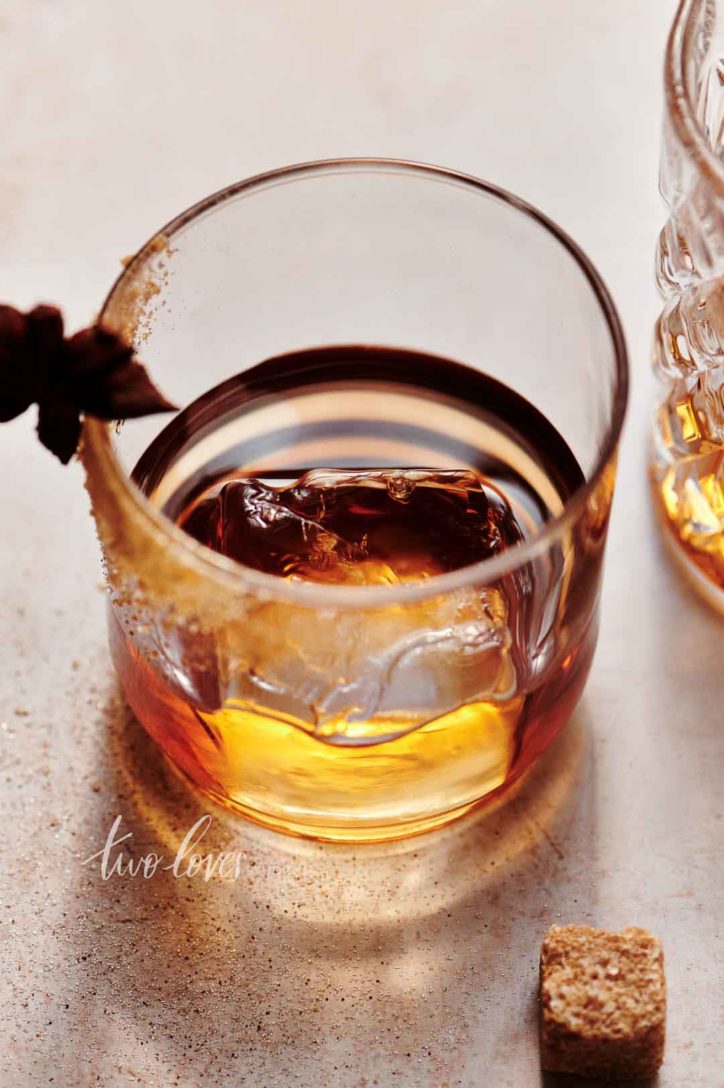
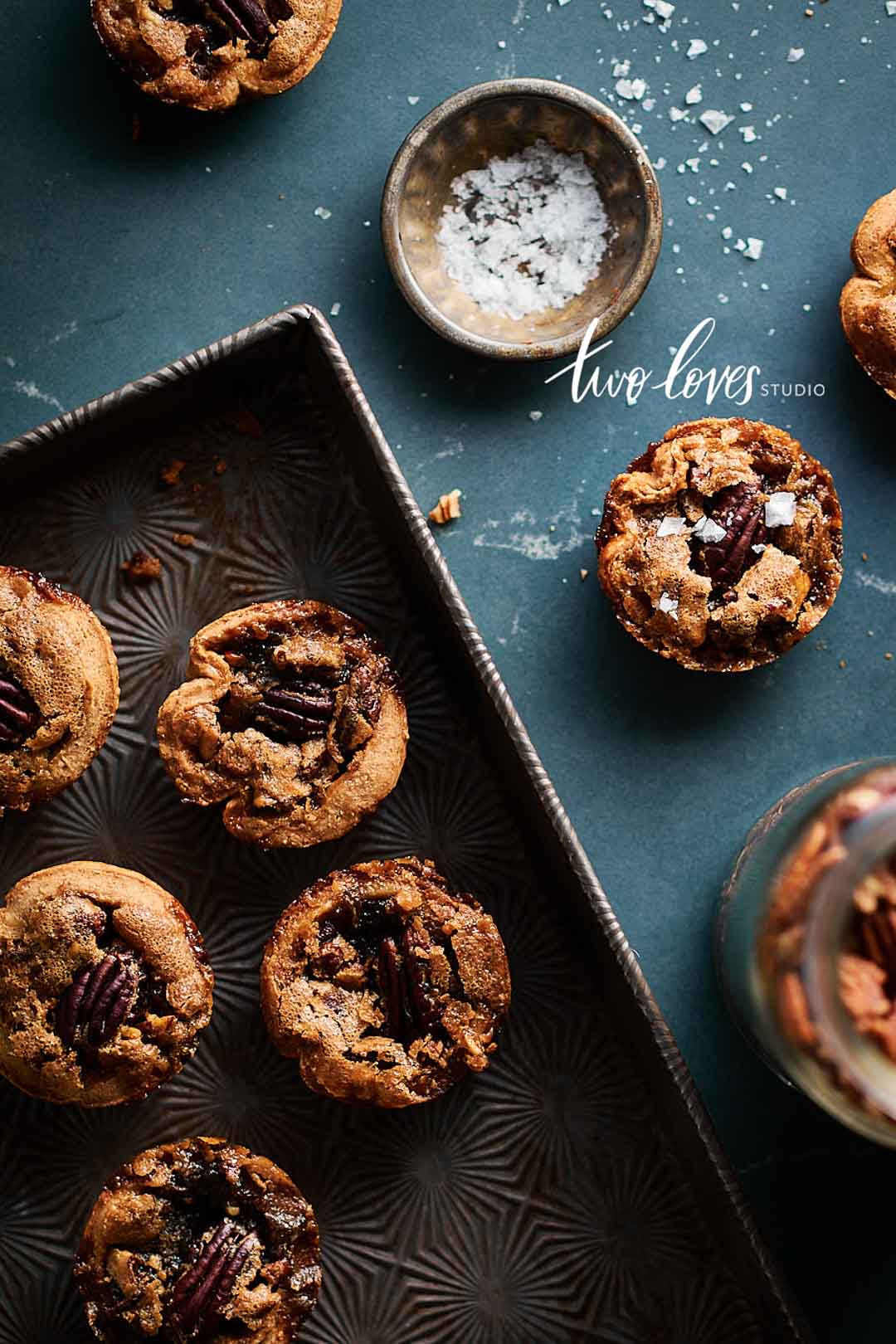
A top-down method, such as shooting from above with the sensor parallel to the plate, is an excellent way to emphasize all the food and different elements of the dish while also adding aesthetic flair. This is often best for food that is flat and is most interesting on its surface.
On the other hand, shooting from a low angle or from the side gives the viewer a distinct viewpoint and highlights the food’s intricacies. This is great for food that’s made up of layers and doesn’t have an interesting surface. The lower your angle, the more towering your subject will appear to be.
Of course, that’s just two angles. There are many more angles to choose from. And the angle isn’t the only way of changing perspectives. Moving towards or away from your subject will change how the various elements interact with each other.
Get in close and throw on a wide lens. Or move further away and put on a telephoto. Have a play. This is why prime lenses may be a better choice because they force you to move instead of just zooming.
So whenever you finish a shoot, take your camera off the tripod and play around with some different perspectives. Move around! You might find a new hero angle to shoot, or to keep in mind for next time.
2. Arrange the Elements
In order to arrange the elements, first, you must think of your frame as a collection of imaginary lines. This composition tip is a game-changer!
We begin at the most essential point of interest and make our way around the scene. Do the lines in your photography allow the eye to effortlessly bounce around the frame to take it all in? Or do they stop the eye with something that’s visually big and heavy?
You’ll want to create diagonals (more on this later), curves, and other forms of leading lines to help accentuate your subject. Bear these imaginary lines in mind as you create your food photograph.
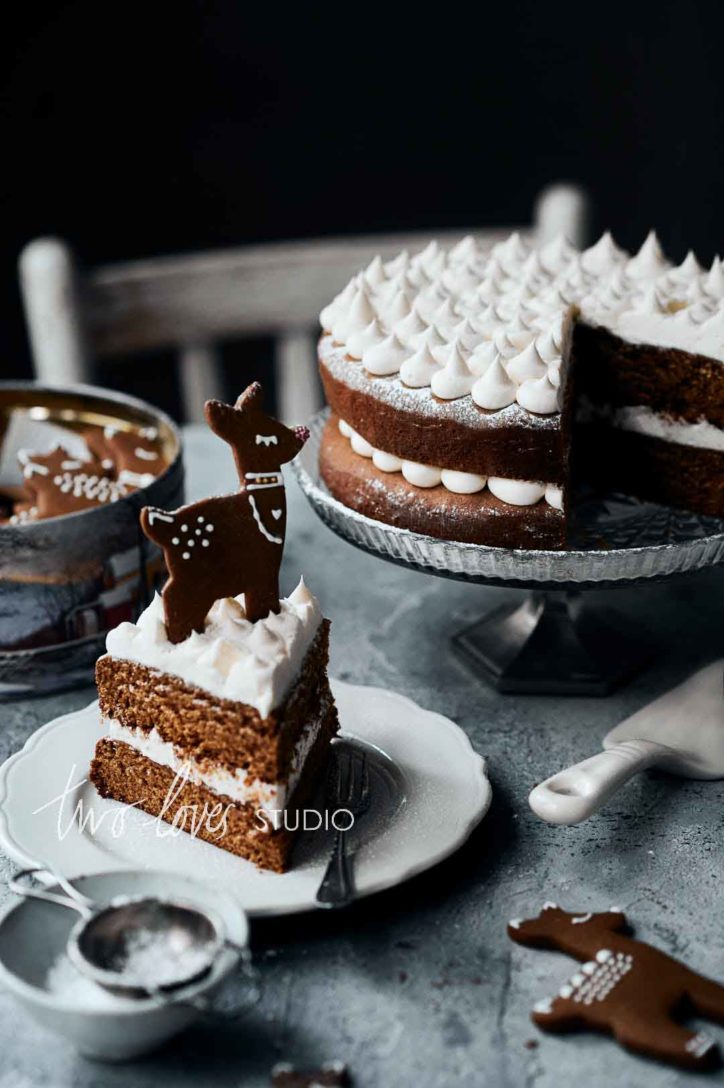
It helps to understand how your eyes move through a picture.
People’s attention is drawn to the scene’s brightest, most contrasty, and most colourful elements. So, making sure your subject has one, or all three of these things is a good place to start.
Next, arrange the elements by “reading” the food image. In the West, we read from left to right. This means that the viewer’s eye travels from left to right after they look at the main subject.
3. Optimize your Orientation
As you’re probably aware, you can photograph food in either portrait or landscape orientation, but don’t just stick your camera in one position and call it a day. Instead, think about which way will best highlight the food or scene.
Also, consider your output. Are you shooting just for Instagram? Or maybe you’re shooting for a magazine that needs both 1 and 2-page spreads.
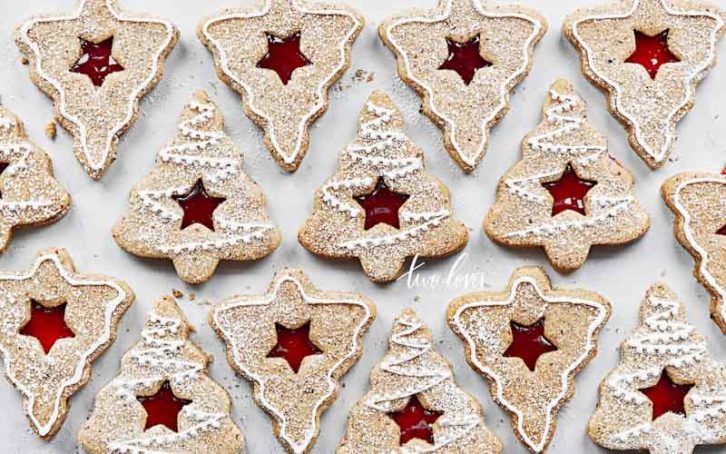
So, rotate your camera to see if a vertical (portrait orientation) or horizontal (landscape orientation) will work best.
Horizontal frames are often great for capturing scenes that need to tell a bigger story. On the other hand, a vertical composition may improve the photo by removing distracting things from around the main subject.
4. Embrace Negative Space
Negative and Passive space are powerful composition tips. They will bring the viewer’s attention to the subject immediately when applied effectively.
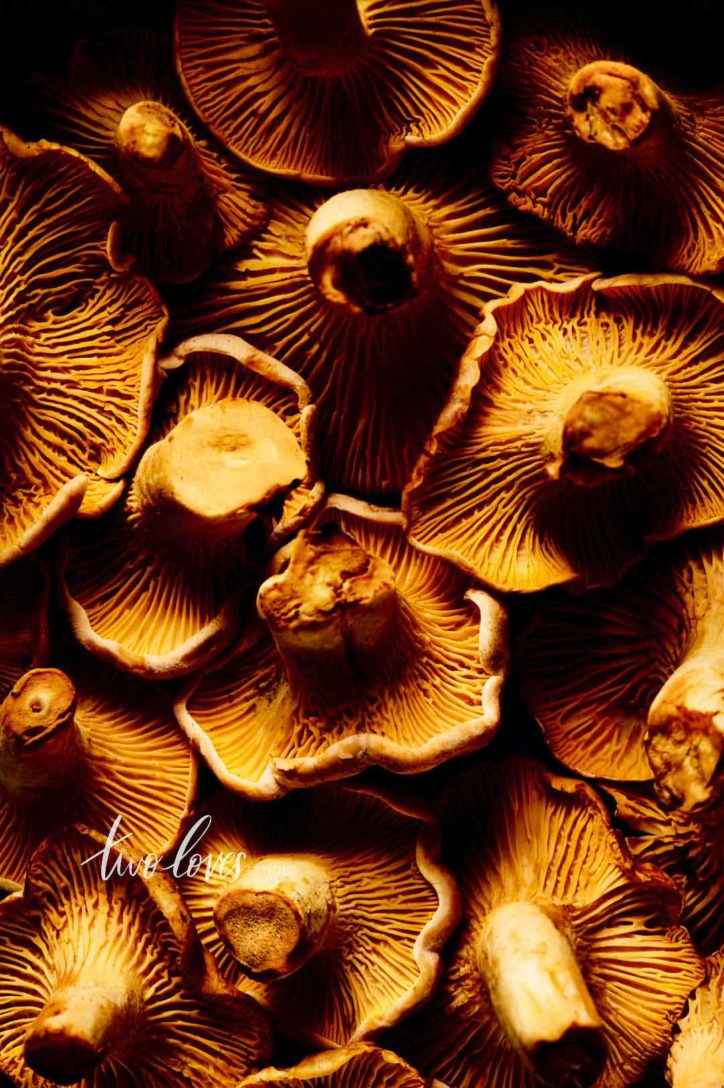
Negative space isn’t simply a plain backdrop; it can also be a component of an image if the props are neutral or have a colour that compliments rather than detracts from the food. It gives an image a sense of purity and simplicity while also adding harmony. Read More...