Home Upload Photo Upload Videos Write a Blog Analytics Messaging Streaming Create Adverts Creators Program
Bebuzee Afghanistan Bebuzee Albania Bebuzee Algeria Bebuzee Andorra Bebuzee Angola Bebuzee Antigua and Barbuda Bebuzee Argentina Bebuzee Armenia Bebuzee Australia Bebuzee Austria Bebuzee Azerbaijan Bebuzee Bahamas Bebuzee Bahrain Bebuzee Bangladesh Bebuzee Barbados Bebuzee Belarus Bebuzee Belgium Bebuzee Belize Bebuzee Benin Bebuzee Bhutan Bebuzee Bolivia Bebuzee Bosnia and Herzegovina Bebuzee Botswana Bebuzee Brazil Bebuzee Brunei Bebuzee Bulgaria Bebuzee Burkina Faso Bebuzee Burundi Bebuzee Cabo Verde Bebuzee Cambodia Bebuzee Cameroon Bebuzee Canada Bebuzee Central African Republic Bebuzee Chad Bebuzee Chile Bebuzee China Bebuzee Colombia Bebuzee Comoros Bebuzee Costa Rica Bebuzee Côte d'Ivoire Bebuzee Croatia Bebuzee Cuba Bebuzee Cyprus Bebuzee Czech Republic Bebuzee Democratic Republic of the Congo Bebuzee Denmark Bebuzee Djibouti Bebuzee Dominica Bebuzee Dominican Republic Bebuzee Ecuador Bebuzee Egypt Bebuzee El Salvador Bebuzee Equatorial Guinea Bebuzee Eritrea Bebuzee Estonia Bebuzee Eswatini Bebuzee Ethiopia Bebuzee Fiji Bebuzee Finland Bebuzee France Bebuzee Gabon Bebuzee Gambia Bebuzee Georgia Bebuzee Germany Bebuzee Ghana Bebuzee Greece Bebuzee Grenada Bebuzee Guatemala Bebuzee Guinea Bebuzee Guinea-Bissau Bebuzee Guyana Bebuzee Haiti Bebuzee Honduras Bebuzee Hong Kong Bebuzee Hungary Bebuzee Iceland Bebuzee India Bebuzee Indonesia Bebuzee Iran Bebuzee Iraq Bebuzee Ireland Bebuzee Israel Bebuzee Italy Bebuzee Jamaica Bebuzee Japan Bebuzee Jordan Bebuzee Kazakhstan Bebuzee Kenya Bebuzee Kiribati Bebuzee Kuwait Bebuzee Kyrgyzstan Bebuzee Laos Bebuzee Latvia Bebuzee Lebanon Bebuzee Lesotho Bebuzee Liberia Bebuzee Libya Bebuzee Liechtenstein Bebuzee Lithuania Bebuzee Luxembourg Bebuzee Madagascar Bebuzee Malawi Bebuzee Malaysia Bebuzee Maldives Bebuzee Mali Bebuzee Malta Bebuzee Marshall Islands Bebuzee Mauritania Bebuzee Mauritius Bebuzee Mexico Bebuzee Micronesia Bebuzee Moldova Bebuzee Monaco Bebuzee Mongolia Bebuzee Montenegro Bebuzee Morocco Bebuzee Mozambique Bebuzee Myanmar Bebuzee Namibia Bebuzee Nauru Bebuzee Nepal Bebuzee Netherlands Bebuzee New Zealand Bebuzee Nicaragua Bebuzee Niger Bebuzee Nigeria Bebuzee North Korea Bebuzee North Macedonia Bebuzee Norway Bebuzee Oman Bebuzee Pakistan Bebuzee Palau Bebuzee Panama Bebuzee Papua New Guinea Bebuzee Paraguay Bebuzee Peru Bebuzee Philippines Bebuzee Poland Bebuzee Portugal Bebuzee Qatar Bebuzee Republic of the Congo Bebuzee Romania Bebuzee Russia Bebuzee Rwanda Bebuzee Saint Kitts and Nevis Bebuzee Saint Lucia Bebuzee Saint Vincent and the Grenadines Bebuzee Samoa Bebuzee San Marino Bebuzee São Tomé and Príncipe Bebuzee Saudi Arabia Bebuzee Senegal Bebuzee Serbia Bebuzee Seychelles Bebuzee Sierra Leone Bebuzee Singapore Bebuzee Slovakia Bebuzee Slovenia Bebuzee Solomon Islands Bebuzee Somalia Bebuzee South Africa Bebuzee South Korea Bebuzee South Sudan Bebuzee Spain Bebuzee Sri Lanka Bebuzee Sudan Bebuzee Suriname Bebuzee Sweden Bebuzee Switzerland Bebuzee Syria Bebuzee Taiwan Bebuzee Tajikistan Bebuzee Tanzania Bebuzee Thailand Bebuzee Timor-Leste Bebuzee Togo Bebuzee Tonga Bebuzee Trinidad and Tobago Bebuzee Tunisia Bebuzee Turkey Bebuzee Turkmenistan Bebuzee Tuvalu Bebuzee Uganda Bebuzee Ukraine Bebuzee United Arab Emirates Bebuzee United Kingdom Bebuzee Uruguay Bebuzee Uzbekistan Bebuzee Vanuatu Bebuzee Venezuela Bebuzee Vietnam Bebuzee World Wide Bebuzee Yemen Bebuzee Zambia Bebuzee Zimbabwe
Blog Image

African scientists and technology could drive future black hole discoveries

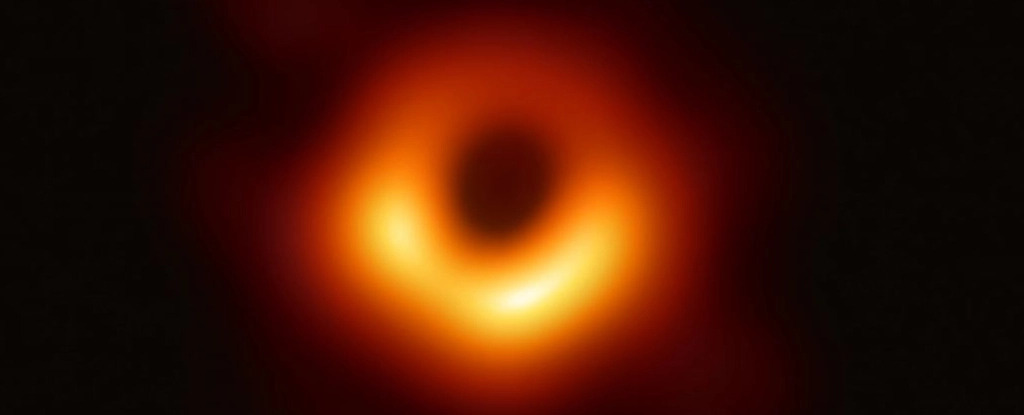
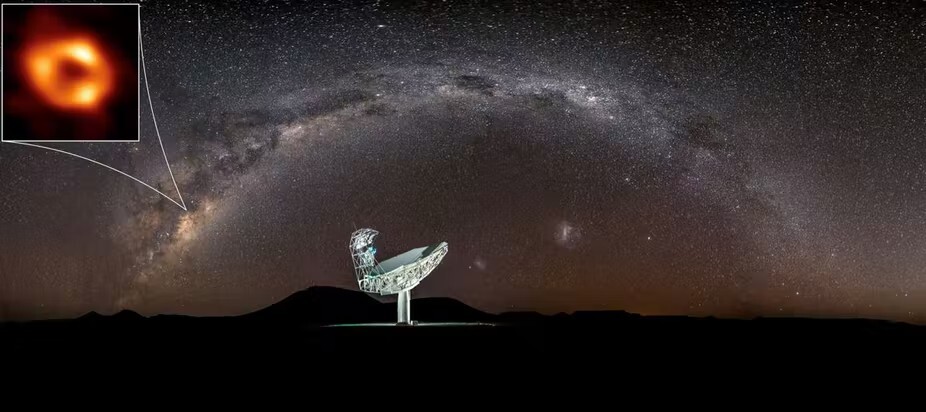
Astronomers have revealed the first image of the black hole at the centre of our galaxy, the Milky Way. The image was produced by the Event Horizon Telescope (EHT) Collaboration, an international team made up of over 300 scientists on five continents – including Africa.

Black holes were predicted by Albert Einstein’s General Theory of Relativity over a century ago. They are regions of space so dense that nothing, including light, can escape. Their boundary is known as the event horizon, which marks the point of no return. That’s just one of the reasons these objects are hidden from our eyes. The other is that they are exceedingly small, when placed in their cosmic context. If our Milky Way galaxy were the size of a soccer field, its black hole event horizon would be a million times smaller than a pin prick at centrefield.

How, then, can one photograph them? Our team did so by capturing light from the hot swirling gas in the immediate vicinity of the black hole. This light, with a wavelength of 1 millimetre, is recorded by a global network of antennas that form a single, Earth-sized virtual telescope.

The light looks rather like a ring, a characteristic signature that is the direct consequence of two key processes. First, the black hole is so dense that it bends the path of light near it. Second, it captures light that strays too close to the event horizon. The combined effect produces a so-called black hole shadow - a brightened ring surrounding a distinct deficit of light centred on the black hole. In the case of our Milky Way black hole, this ring has the apparent size of a doughnut on the moon, requiring an extraordinary engineering effort to bring it into focus.

The unveiling of an image of our black hole, Sagittarius A*, is not just a massive moment for science. It could also be an important catalyst for diversifying African astrophysics research using existing strengths. We were the only two of more than 300 EHT team members based on the African continent. The continent doesn’t host any EHT telescopes – we were brought on board because of expertise we’ve developed in preparation for the world’s largest radio telescope, the Square Kilometre Array (SKA), to be co-hosted by South Africa and Australia.

Why the image is important

This is not the first time a black hole image has captured people’s attention. We were also members of the team that captured the first ever image of a black hole in 2019 (this one is at the centre of a different galaxy, Messier 87, which is 55 million light years away). It has been estimated that more than 4.5 billion people saw that image. Sagittarius A* has also dominated headlines and captured people’s imaginations.

But there’s more to this result than just an incredible image. A plethora of rich scientific results has been described in ten publications by the team. Here are three of our primary highlights. Read More…

Previous Post

Liquid mirror telescope opens in India

Next Post

Study finds evidence of bovine TB in 15% of rhinos at South African national park

Comments