Öbölnyi megaphone - a bilingual young poetry anthology has been published
-
 Loading...
 - Conor Murphy
- 14 Mar 2023
- 59 Views
- 0 Like
- 0 Comment
Anthologies are usually formed in a space of tension in the pursuit of representativeness and the creation of a unified image. Especially when the editors select according to a predetermined set of criteria - for example, from the works of widely known and/or professionally successful authors of a given linguistic or ethnic community or generation, considered to be progressive, or perhaps based on a current theme, poetic characteristics, or net trend classification. In the case of compilations intended for a foreign readership, the ability to dialogue with international trends can also become a prominent aspect, since it is important how the literary texts can speak in a different cultural context, and of course this does not only stand or fall on the authors, but also places great responsibility on the translators.This is especially true in the case of lyrical works, which really have to be recreated to the last taste with the change of language and context.
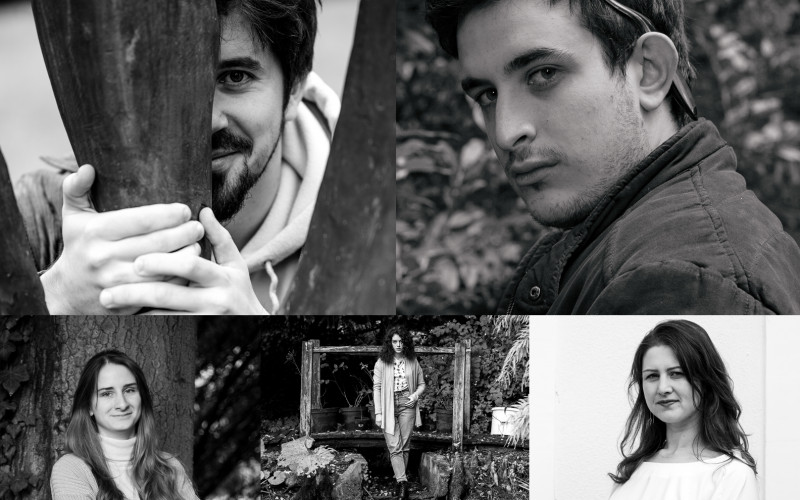
The list of young Hungarian poets included in this publication was not determined directly by the editorial decision, but rather by ten active actors of contemporary Hungarian literature - belonging to different age groups and with different poetic preferences. To this extent , the publication is related to the 1969 anthology Költők szék közt , in which prominent figures of 20th-century Hungarian lyric poetry presented the members of the youngest generation of poets at the time, several of whom are now living classics. It is an undisguised hope that the careers of the authors of this book will develop in a similar way. First of all, we launched an open tender for young authors between the ages of sixteen and thirty who do not yet have a book, and the ten invited mentors - based on the incoming manuscripts and the results so far - chose one applicant each. Between September 30 and October 9, 2022, the winners could participate in the general art symposium that prepared this publication, which took place in the Szigligeti Alkotóház, operated by MANK Magyar Alkotóművészeti Közhaznú Kft.
The Putenai‒Esterházy Castle, located in the settlement on the shores of Lake Balaton, used to serve as an inspiring environment for fine and industrial artists, such as Lajos Kassák, who was considered the most decisive representative of the avant-garde in Hungary and was recognized both as a visual artist and a poet; Ágnes Nemes Nagy and János Pilinszky, who are among the most influential characters of 20th-century Hungarian poetry; the most translated Hungarian writer into foreign languages, Magda Szabó; or the 2002 Nobel laureate for literature Imre Kertész, who wrote the Gályanaplóalso refers several times to the impulses and struggles here, which accompany the creative work, for example: "The gravel walkway in Szigliget, in the evening twilight. The birds chirping silently. The square of the round, pale moon and an illuminated window in the gaps of the pines. And the soundless, invisible, insatiable sob of my whole being. Games become life, life becomes destiny, fulfillment becomes pain, pain becomes memory.” At the dawn of the new millennium, this patina building and its huge garden with its own ecosystem were also the location of the summer camps of the József Attila Kör, which brought together prominent figures of young Hungarian literature, for almost two decades, until the organization ceased to exist. Read More…