The Moment Statue of Ancient God Helios Was Unearthed in Athens
-
 Loading...
 - Nora Kingma
- 28 Jun 2024
- 81 Views
- 0 Like
- 0 Comment
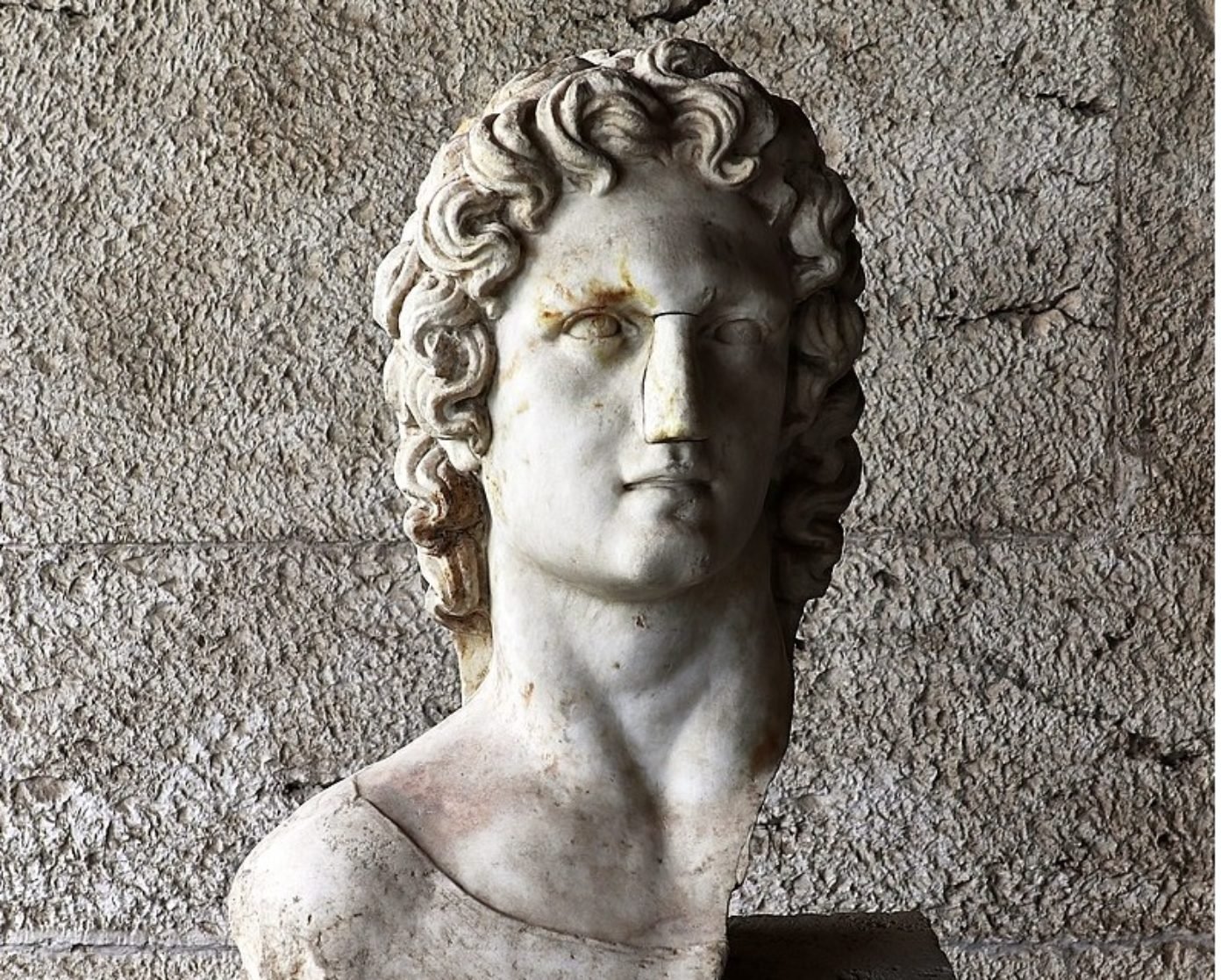
In 1970, a stunning marble bust of Helios, the ancient Greek sun god, was unearthed at the ancient Agora of Athens. This remarkable artifact is now one of the most spectacular exhibits at the Ancient Agora Museum. Helios, often depicted with a radiant crown symbolizing the rays of the sun, was said to drive his chariot across the sky from east to west each day, mirroring the sun's movement.
Helios' Role and Worship
Helios was more than just the sun god; he was also a guardian of oaths and the god of sight. Although he was a relatively minor deity in Classical Greece, his prominence grew in late antiquity, particularly through his identification with major solar divinities of the Roman period, such as Apollo and Sol. The Roman Emperor Julian even made Helios the central figure in his efforts to revive traditional Roman religious practices in the 4th century AD.
Helios in Greek Mythology
Helios features prominently in Greek mythology and literature. He is described as the son of the Titans Hyperion and Theia and the brother of the goddesses Selene (the Moon) and Eos (the Dawn). One of his most notable myths involves his mortal son, Phaethon. Phaethon, seeking a favor from his father, asked to drive Helios' fiery chariot across the sky for a day. Despite Helios' warnings about the dangers, Phaethon was determined. The ride ended disastrously, with Zeus striking Phaethon with a lightning bolt to prevent further chaos.
In addition to this story, Helios appears in various other myths, witnessing oaths and interacting with gods and mortals.
Helios and Alexander the Great
One of the titles given to Alexander the Great was Helios. Depictions of the sun god from the Hellenistic period onward were heavily influenced by portraits of Alexander. The surviving portraits of Alexander the Great show a wide range of styles, with some emphasizing his leonine hair and characteristic cowlick. These depictions influenced how Helios was portrayed during and after the Hellenistic period.
Roman Influence and Legacy
The Roman love for important historical figures and their demand for ancient works of art meant that portraits of Alexander and Alexander as Helios remained popular well into the Roman Imperial period. By this time, images of Helios were entirely conflated with those of Alexander, blending the identities of the great conqueror and the sun god.
The discovery of the Helios bust in Athens provides a fascinating glimpse into the intersection of Greek mythology, historical figures, and artistic representation. Helios, both as a deity and through his association with Alexander the Great, remains a significant figure in ancient art and mythology, reflecting the enduring legacy of these ancient stories and symbols.