Home Upload Photo Upload Videos Write a Blog Analytics Messaging Streaming Create Adverts Creators Program
Bebuzee Afghanistan Bebuzee Albania Bebuzee Algeria Bebuzee Andorra Bebuzee Angola Bebuzee Antigua and Barbuda Bebuzee Argentina Bebuzee Armenia Bebuzee Australia Bebuzee Austria Bebuzee Azerbaijan Bebuzee Bahamas Bebuzee Bahrain Bebuzee Bangladesh Bebuzee Barbados Bebuzee Belarus Bebuzee Belgium Bebuzee Belize Bebuzee Benin Bebuzee Bhutan Bebuzee Bolivia Bebuzee Bosnia and Herzegovina Bebuzee Botswana Bebuzee Brazil Bebuzee Brunei Bebuzee Bulgaria Bebuzee Burkina Faso Bebuzee Burundi Bebuzee Cabo Verde Bebuzee Cambodia Bebuzee Cameroon Bebuzee Canada Bebuzee Central African Republic Bebuzee Chad Bebuzee Chile Bebuzee China Bebuzee Colombia Bebuzee Comoros Bebuzee Costa Rica Bebuzee Côte d'Ivoire Bebuzee Croatia Bebuzee Cuba Bebuzee Cyprus Bebuzee Czech Republic Bebuzee Democratic Republic of the Congo Bebuzee Denmark Bebuzee Djibouti Bebuzee Dominica Bebuzee Dominican Republic Bebuzee Ecuador Bebuzee Egypt Bebuzee El Salvador Bebuzee Equatorial Guinea Bebuzee Eritrea Bebuzee Estonia Bebuzee Eswatini Bebuzee Ethiopia Bebuzee Fiji Bebuzee Finland Bebuzee France Bebuzee Gabon Bebuzee Gambia Bebuzee Georgia Bebuzee Germany Bebuzee Ghana Bebuzee Greece Bebuzee Grenada Bebuzee Guatemala Bebuzee Guinea Bebuzee Guinea-Bissau Bebuzee Guyana Bebuzee Haiti Bebuzee Honduras Bebuzee Hong Kong Bebuzee Hungary Bebuzee Iceland Bebuzee India Bebuzee Indonesia Bebuzee Iran Bebuzee Iraq Bebuzee Ireland Bebuzee Israel Bebuzee Italy Bebuzee Jamaica Bebuzee Japan Bebuzee Jordan Bebuzee Kazakhstan Bebuzee Kenya Bebuzee Kiribati Bebuzee Kuwait Bebuzee Kyrgyzstan Bebuzee Laos Bebuzee Latvia Bebuzee Lebanon Bebuzee Lesotho Bebuzee Liberia Bebuzee Libya Bebuzee Liechtenstein Bebuzee Lithuania Bebuzee Luxembourg Bebuzee Madagascar Bebuzee Malawi Bebuzee Malaysia Bebuzee Maldives Bebuzee Mali Bebuzee Malta Bebuzee Marshall Islands Bebuzee Mauritania Bebuzee Mauritius Bebuzee Mexico Bebuzee Micronesia Bebuzee Moldova Bebuzee Monaco Bebuzee Mongolia Bebuzee Montenegro Bebuzee Morocco Bebuzee Mozambique Bebuzee Myanmar Bebuzee Namibia Bebuzee Nauru Bebuzee Nepal Bebuzee Netherlands Bebuzee New Zealand Bebuzee Nicaragua Bebuzee Niger Bebuzee Nigeria Bebuzee North Korea Bebuzee North Macedonia Bebuzee Norway Bebuzee Oman Bebuzee Pakistan Bebuzee Palau Bebuzee Panama Bebuzee Papua New Guinea Bebuzee Paraguay Bebuzee Peru Bebuzee Philippines Bebuzee Poland Bebuzee Portugal Bebuzee Qatar Bebuzee Republic of the Congo Bebuzee Romania Bebuzee Russia Bebuzee Rwanda Bebuzee Saint Kitts and Nevis Bebuzee Saint Lucia Bebuzee Saint Vincent and the Grenadines Bebuzee Samoa Bebuzee San Marino Bebuzee São Tomé and Príncipe Bebuzee Saudi Arabia Bebuzee Senegal Bebuzee Serbia Bebuzee Seychelles Bebuzee Sierra Leone Bebuzee Singapore Bebuzee Slovakia Bebuzee Slovenia Bebuzee Solomon Islands Bebuzee Somalia Bebuzee South Africa Bebuzee South Korea Bebuzee South Sudan Bebuzee Spain Bebuzee Sri Lanka Bebuzee Sudan Bebuzee Suriname Bebuzee Sweden Bebuzee Switzerland Bebuzee Syria Bebuzee Taiwan Bebuzee Tajikistan Bebuzee Tanzania Bebuzee Thailand Bebuzee Timor-Leste Bebuzee Togo Bebuzee Tonga Bebuzee Trinidad and Tobago Bebuzee Tunisia Bebuzee Turkey Bebuzee Turkmenistan Bebuzee Tuvalu Bebuzee Uganda Bebuzee Ukraine Bebuzee United Arab Emirates Bebuzee United Kingdom Bebuzee Uruguay Bebuzee Uzbekistan Bebuzee Vanuatu Bebuzee Venezuela Bebuzee Vietnam Bebuzee World Wide Bebuzee Yemen Bebuzee Zambia Bebuzee Zimbabwe
Blog Image

The mystery of the lost Maya sculpture

A Maya Universe in Stone offers a new take on the familiar tale of adventure and archaeological discovery.

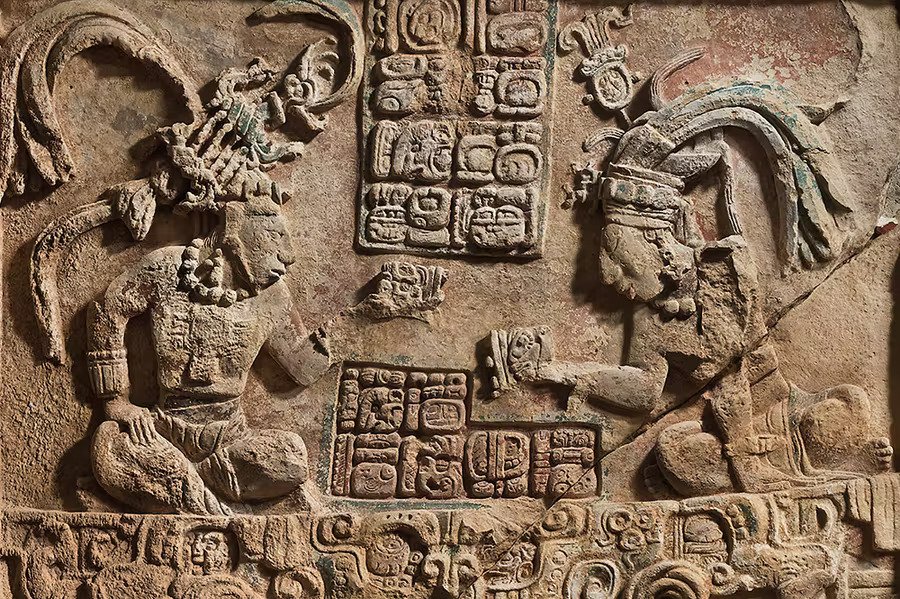
A Maya Universe in Stone offers a new take on the familiar tale of adventure and archaeological discovery. Rather than telling the story of an intrepid explorer venturing off into the jungle, facing dangerous wildlife or river rapids, and finding a lost city and hidden treasure, the authors set off on an intellectual expedition. Their quest concerns a Maya carving that has already been found – first by such explorers in 1950 and then by looters.

They trace its path on to the art market, mourn the loss of knowledge that was a consequence of these clandestine activities and attempt to reconstruct what can still be known about this missing masterpiece, before concluding that its current whereabouts are seemingly unknown. In the acknowledgments, the book’s editor (and one of its authors), Stephen Houston, states his motivations for producing this volume: ‘Is expanding knowledge enough, or must there be some final result, such as the repatriation of an art object to its country of origin? The mind may be satisfied with the first goal, but a sense of ethics demands the second.’ This is, therefore, a timely and important story.

As public discussions of looting and repatriations of art grow more common and as collectors and institutions address such issues more openly, this book belongs to a scholarly genre that will only grow. It is essential for these accounts to be written down in order to confront what took place all over the world – what is still taking place in some parts of the world – so that those who follow us may try to avoid repeating it.

Nonetheless, as the authors acknowledge, it remains a difficult story to tell. The book focuses on an intricately carved lintel – the top portion of a door frame – created in AD 773. It was first photographed in situ along with a second lintel by the explorer Dana Lamb in 1950 at a site he came to call Laxtunich. The authors lament, however, that Lamb never precisely logged where the site was; he only circled a large area between Mexico and Guatemala on a map.

They reconstruct his trek through the forest using his field notebook, a letter he wrote to his wife Ginger and notes scrawled on the backs of photographs – all of which present conflicting information. The authors ask: ‘What stratagem lay behind such pointless deceit?’ Certainly, he had his reasons. In 2014, Andrew Scherer and Omar Alcover Firpi tried to repeat his journey, taking into account distances and reported landmarks.

This impressive endeavour has led them to believe that Laxtunich is most likely a site known as El Túnel, in Guatemala. What might eventually clinch the identification would be finding the backsides of the carvings – called ‘carcasses’ in the field – which were sawn off by the looters to lighten the heavy stones and were presumably dumped nearby. Read More…


Previous Post

Contest on the use of color opens opportunities for university students

Next Post

Naufus Ramà­rez-Figueroa Frees the Spirit of a Lost City

Comments