Scientists have discovered a new way to explore alien worlds beyond our solar system
-
 Loading...
 - Tania Gbeho
- 18 Aug 2022
- 78 Views
- 0 Like
- 0 Comment
We have discovered thousands of exoplanets in recent years. Most have been discovered by the transit method, where an optical telescope measures the brightness of a star over time. If the star is very low in brightness, it may indicate that a planet has passed in front of it, blocking some of the light.
The transit method is a powerful tool, but it has limitations. Not the least of which is that the planet must pass between us and its star in order for us to detect it. The transit method also depends on optical telescopes.
But a new method could allow astronomers to detect exoplanets using radio telescopes.
It is not easy to observe exoplanets at radio wavelengths. Most planets don’t emit much radio light, and most stars do. Radio light from stars can also be quite variable due to things like stellar flames.
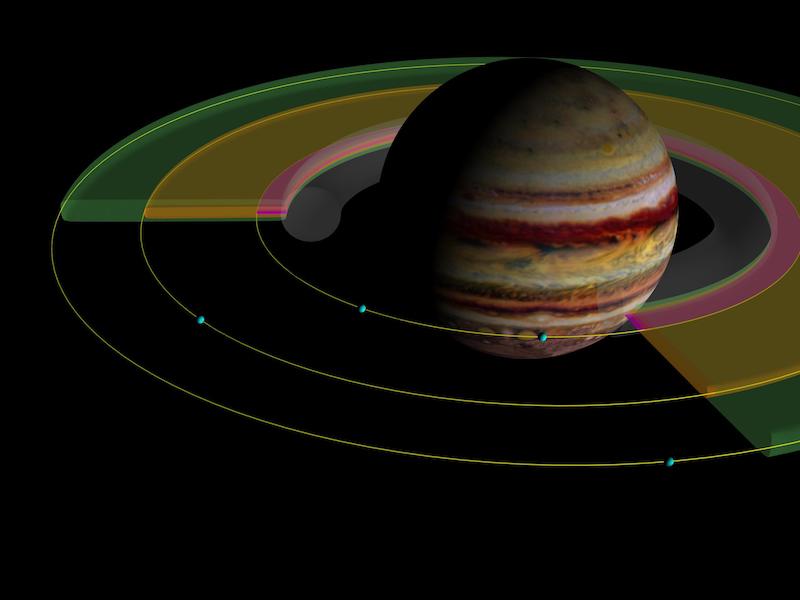
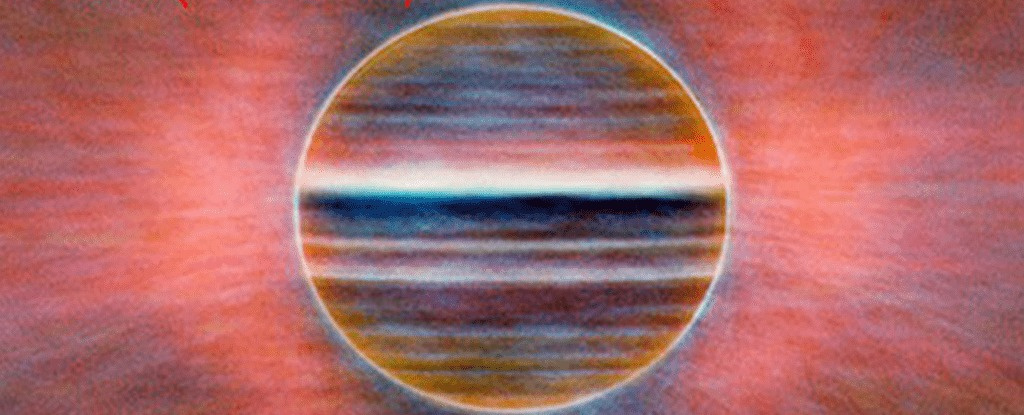
But large gas planets like Jupiter can be radio bright. Not from the planet itself, but from its strong magnetic field. Charged particles from the stellar wind interact with the magnetic field and emit radio light.
Jupiter is so bright in radio light that you can detect it with a homemade radio telescope, and astronomers have detected radio signals from several brown dwarfs. Read More...